


 By
By HVAC stands for Heating, Ventilation, and Air Conditioning. It is the system that controls temperature, airflow, humidity, and indoor air quality in homes and buildings. This guide explains what HVAC means, how it works, its real-life benefits, system types, important HVAC terms like CFM, VAV, RTU, HVAC-R, and how it affects comfort, health, and energy bills. By the end, you will clearly understand why HVAC is essential in everyday life.
What Does HVAC Stand For?
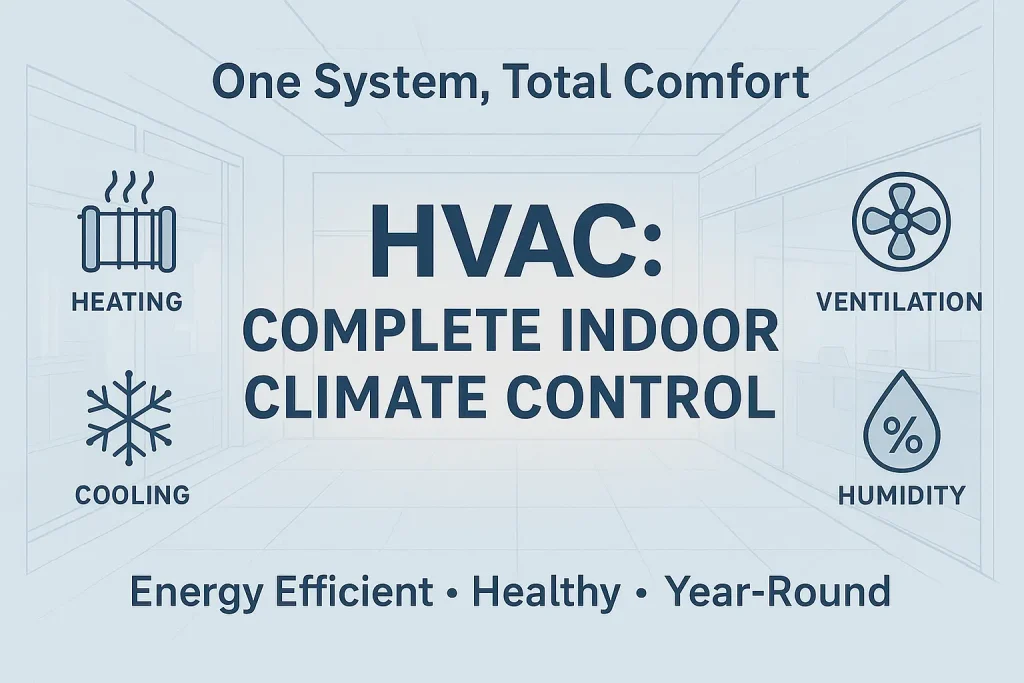
HVAC stands for Heating, Ventilation, and Air Conditioning. These three functions work together to control indoor comfort.
- Heating keeps your space warm during cold weather.
- Ventilation moves new air in and stagnant air out.
- Air Conditioning cools your space during hot weather and removes moisture.
An HVAC system is not just for temperature control. It also manages air quality, humidity, and overall indoor comfort throughout the year.
In simple words, HVAC is the system that keeps your indoor air comfortable, clean, and healthy in every season.
What Does HVAC Stand For in Real Life?
In everyday life, HVAC means:
- Warm air in winter
- Cool air in summer
- Clean air all year
- Controlled humidity
- Comfortable living and working environments
You experience HVAC at home, in schools, hospitals, shopping malls, offices, and even in cars. Without HVAC systems, indoor spaces would be uncomfortable, unhealthy, and sometimes unsafe.
How Is HVAC Different from Regular Air Conditioning?
Many people think HVAC and air conditioning are the same thing, but they are not.
| Feature | HVAC | Regular Air Conditioning |
| Heating | Yes | No |
| Cooling | Yes | Yes |
| Ventilation | Yes | No |
| Air Quality Control | Yes | Limited |
| Humidity Control | Yes | Limited |
| Year-Round Use | Yes | Mostly summer only |
A regular air conditioner only cools the air. An HVAC system handles complete indoor comfort in every season.
The Three Main Parts of HVAC Explained Simply
Heating
The heating part of HVAC warms the air in cold weather using:
- Furnaces
- Heat pumps
- Boilers
Ventilation
Ventilation eliminates stale air and brings in fresh outdoor air. It helps:
- Remove odors
- Reduce moisture
- Improve oxygen levels
- Control indoor pollution
Air Conditioning
This part cools the air and removes humidity using:
- Central AC systems
- Ductless mini-splits
- Heat pumps
Crucial Elements of an Entire HVAC System
A full HVAC system includes several connected parts.
Thermostat
The thermostat controls the entire system. You set the temperature, and the HVAC system follows your command.
Furnace or Heat Pump
This produces heat during winter.
Air Conditioner or Heat Pump
This cools the air during summer.
Ductwork
Ducts carry warm or cool air throughout the building.
Air Filters
They trap dust, pollen, and allergens to clean the air.
Ventilation Fans
They push fresh air inside and remove stale air.
Humidifiers and Dehumidifiers
These control moisture levels in the air.
How Does an HVAC System Work?
An HVAC system works in three basic steps:
- Sensing the Temperature
The thermostat checks the room temperature. - Heating or Cooling the Air
If heating is needed, the furnace or heat pump warms the air.
If cooling is needed, the air conditioner removes heat from the air. - Distributing the Air
The treated air moves through ducts and enters rooms through vents.
At the same time, ventilation systems remove stale air and bring in fresh air, while filters clean the air during circulation.
What Does HVAC-R Stand For?
Crucial Elements of an Entire HVAC System
Refrigeration is added in HVAC-R because:
- Commercial buildings
- Supermarkets
- Restaurants
- Cold storage facilities
all require cooling systems for food preservation and industrial use.
HVAC-R is commonly used in technical education and professional training.
What Does CFM Stand for in HVAC?
CFM stands for Cubic Feet per Minute.
It measures:
- How much air flows through the HVAC system every minute
Higher CFM means:
- More air movement
- Faster heating or cooling
- Better ventilation
Proper CFM ensures:
- Even temperature throughout your home
- Proper air circulation
- Efficient system performance
What Does VAV Stand for in HVAC?
VAV stands for Variable Air Volume.
It is a type of HVAC system that:
- Adjusts the amount of air sent to each room
- Delivers only the air needed at that moment
- Saves energy
- Improves comfort
VAV systems are widely used in:
- Office buildings
- Hospitals
- Hotels
- Commercial spaces
What Does RTU Stand for in HVAC?
RTU stands for Rooftop Unit.
An RTU is:
- A complete HVAC system placed on the roof
- Common in commercial buildings
- Easy to maintain
- Space-saving
RTUs provide:
- Heating
- Cooling
- Ventilation from a single outdoor unit
Types of HVAC Systems for Homes and Buildings
Split HVAC System
Has two main units:
- One indoor
- One outdoor
Most homes use this type.
Packaged HVAC System
All components are in one outdoor cabinet. Common in small homes and shops.
Ductless Mini-Split System
No ducts are needed. Ideal for:
- Small homes
- Apartments
- Room-by-room temperature control
Heat Pump System
Provides both heating and cooling using electricity.
Hybrid HVAC System
Uses both electricity and gas for better efficiency.
Which Type of HVAC System Is Best for Small Homes or Apartments?
For small homes and apartments, the best choices are:
- Ductless mini-split systems
- Small heat pump systems
- Compact packaged units
These systems:
- Save space
- Cost less to install
- Use less energy
- Offer zone-based temperature control
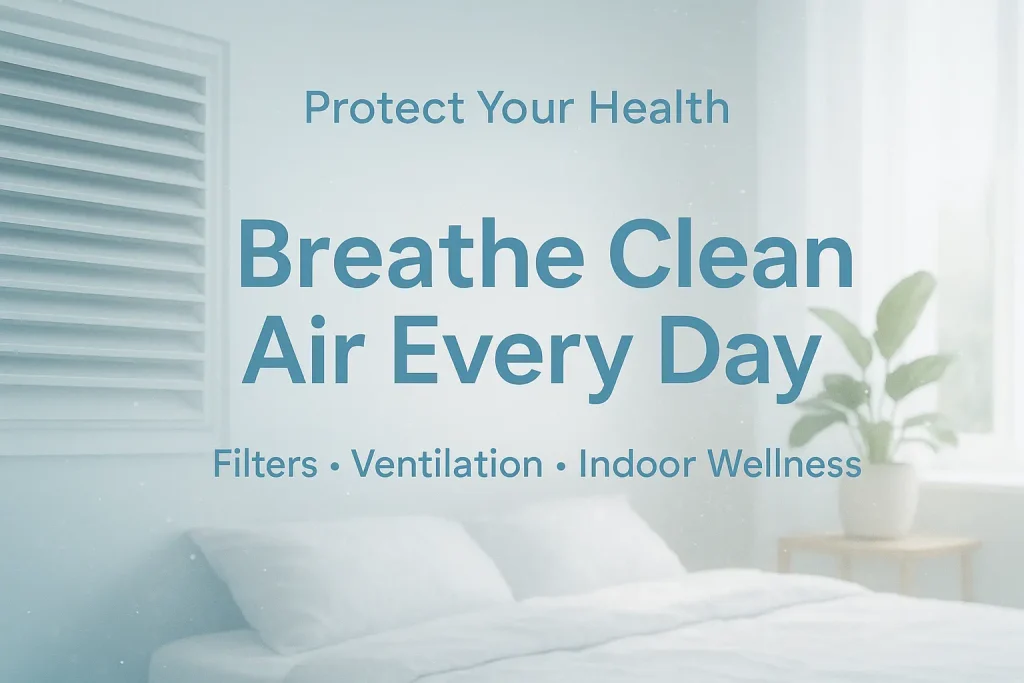
How HVAC Improves Indoor Air Quality
HVAC systems greatly improve indoor air quality by:
- Filtering dust and pollen
- Removing smoke and odors
- Reducing mold growth
- Managing humidity levels
- Bringing in fresh outdoor air
This is especially important for:
- Children
- Elderly people
- People with asthma or allergies
How HVAC Affects Health and Well-Being
A properly working HVAC system can:
- Reduce breathing problems
- Prevent mold-related illnesses
- Improve sleep quality
- Lower stress caused by extreme temperatures
- Protect against heat strokes and cold exposure
Clean air and proper humidity also help:
- Skin health
- Eye comfort
- Overall respiratory wellness
Does Installing an HVAC System Lower Electricity Bills?
Yes, modern HVAC systems can lower electricity bills if:
- The system is energy-efficient
- The home is properly insulated
- The system is the right size
- Regular maintenance is done
Energy-efficient systems use:
- Less electricity
- Smart thermostats
- Variable-speed motors
- High-efficiency compressors
Over time, lower energy use leads to major cost savings.
Common Signs That an HVAC System Needs Repair or Replacement
Look for these warning signs:
- Weak airflow
- Strange noises
- Bad odors from vents
- Uneven room temperatures
- Frequent breakdowns
- Rising energy bills
- System older than 10 to 15 years
Ignoring these signs can lead to complete system failure and higher repair costs.
How Often Should HVAC Maintenance Be Done?
For best performance:
- Change air filters every 1 to 3 months
- Get professional HVAC servicing twice a year
- Once before summer
- Once before winter
Regular maintenance:
- Increases system life
- Improves efficiency
- Prevents sudden breakdowns
- Keeps air clean
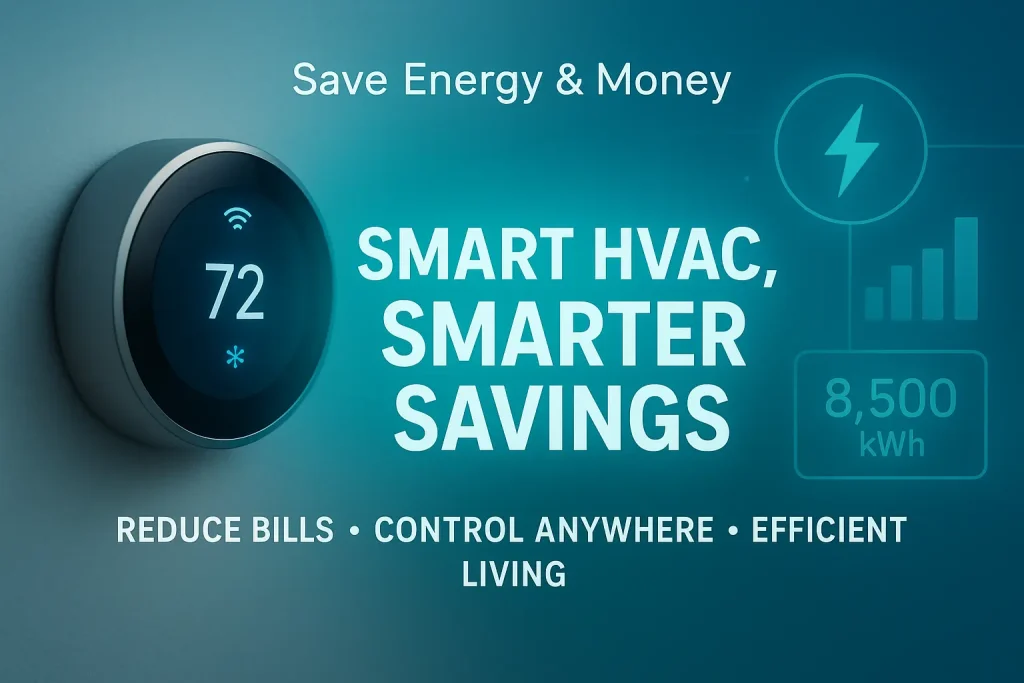
Can Smart Thermostats Make HVAC More Efficient?
Yes. Smart thermostats:
- Adjust temperature automatically
- Learn your daily schedule
- Reduce energy waste
- Allow remote control using mobile apps
- Provide energy usage reports
They can improve HVAC efficiency by up to 10 to 20 percent.
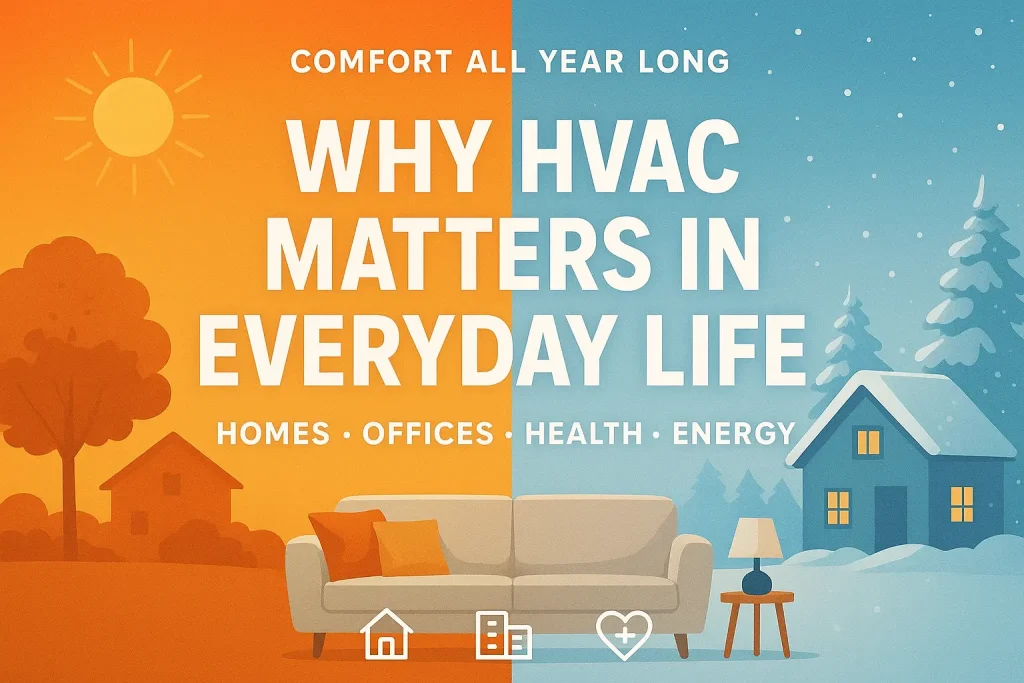
Why HVAC Matters in Everyday Life
HVAC matters because it:
- Protects comfort year-round
- Improves air quality
- Supports healthy living
- Saves energy when used properly
- Protects buildings from moisture damage
- Enhances productivity in workplaces
- Preserves food in commercial settings
Without HVAC, modern indoor living would not be possible at the level we experience today.
HVAC in Homes vs HVAC in Commercial Buildings
Residential HVAC
Used in:
- Homes
- Apartments
- Small offices
Focus is on comfort, quiet operation, and energy savings.
Commercial HVAC
Used in:
- Shopping malls
- Hospitals
- Industries
- Offices
Focus is on:
- Large-scale airflow
- High durability
- Zoning systems
- Continuous operation
The Role of Refrigeration in HVAC-R
Refrigeration is used to:
- Cool food storage
- Maintain medicine safety
- Support industrial processes
- Power supermarket cooling systems
This is why HVAC-R is critical in commercial industries.
Why HVAC Is a Growing Career Field
The HVAC industry is growing because:
- Every building needs climate control
- Old systems need upgrades
- Energy efficiency demands are rising
- Smart HVAC technology is expanding
HVAC technicians are in high demand worldwide and earn stable incomes.
FAQs
What does HVAC stand for, and how does it impact everyday indoor comfort?
HVAC stands for Heating, Ventilation, and Air Conditioning. It controls temperature, airflow, humidity, and air quality, making indoor spaces comfortable and healthy all year.
How is HVAC different from a regular air conditioning system?
Regular air conditioning only cools the air, while HVAC provides heating, cooling, ventilation, and air quality control in one complete system.
What are the essential components that make up a complete HVAC system?
A complete HVAC system includes a thermostat, heating unit, cooling unit, ductwork, air filters, fans, and ventilation equipment.
How does HVAC improve air quality and reduce indoor pollutants?
HVAC systems filter dust, allergens, and pollutants while replacing stale air with fresh outdoor air.
Which type of HVAC system is best for small homes or apartments?
Ductless mini-split systems and small heat pumps are best for small homes and apartments due to their energy efficiency and compact design.
Does installing an HVAC system actually lower electricity bills?
Energy-efficient HVAC systems with proper maintenance and insulation can significantly lower electricity bills over time.
What are common signs that an HVAC system needs repair or replacement?
Strange noises, weak airflow, rising energy bills, uneven temperatures, and frequent breakdowns are common warning signs.
How often should HVAC maintenance be done for best performance?
Basic maintenance should be done every few months, while professional servicing should be done twice a year.
Can smart thermostats and modern technology make HVAC more efficient?
Yes, smart thermostats automate temperature control, reduce waste, and improve overall efficiency.
How does HVAC affect health, humidity control, and overall well-being?
HVAC systems reduce allergens, control humidity, improve breathing, protect against extreme temperatures, and support overall health.
Final Thought
Understanding what HVAC stands for helps you realize how deeply it affects your daily comfort, health, and energy use. HVAC is not just a machine that heats or cools your home. It is a complete indoor climate system that protects air quality, controls humidity, saves energy, and creates a healthy living environment. From small apartments to large commercial buildings, HVAC plays a silent yet powerful role in modern life. Investing in proper HVAC design, maintenance, and smart controls is an investment in comfort, safety, and long-term savings.