

 By
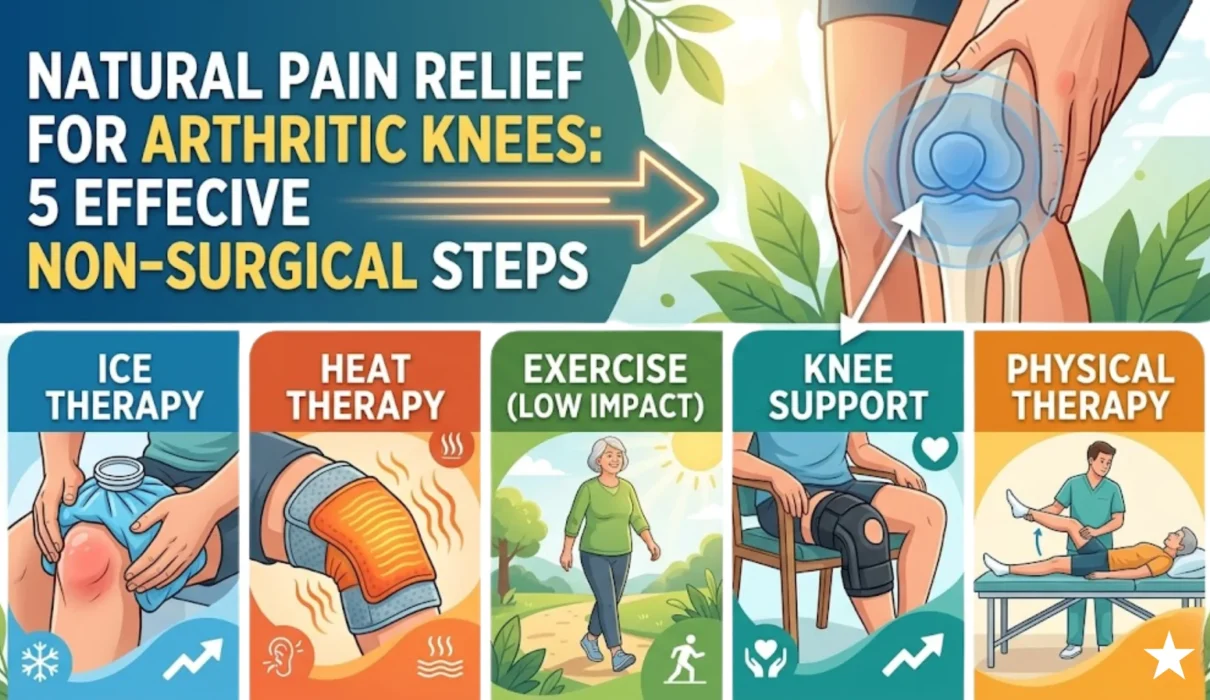
By Living with constant knee discomfort can gradually limit your mobility and reduce your quality of life. If you’re actively searching for pain relief for arthritic knees, it means the pain has started affecting your routine but the good news is that several proven, non-surgical approaches can help reduce inflammation, improve joint function, and allow you to move more comfortably without invasive procedures.
What Is Arthritis of the Knee?
Knee arthritis is a chronic joint condition in which the cartilage that cushions the ends of bones gradually deteriorates. As this protective layer wears down, the bones begin to rub against each other, leading to pain, stiffness, swelling, and reduced mobility over time.
Types of Arthritis That Affect the Knee
- Osteoarthritis: This is the most common form and develops due to long-term wear and tear of the joint cartilage. It usually affects older adults and progresses slowly, causing increasing discomfort and stiffness.
- Rheumatoid arthritis: A condition in which the body’s immune system mistakenly targets the lining of the knee joint, causing inflammation and pain. This leads to inflammation, pain, and potential joint deformity if not properly managed.
- Post-traumatic arthritis: This type occurs after a knee injury such as a fracture or ligament tear. Even years after the injury, the joint may develop arthritis due to altered mechanics and cartilage damage.
Symptoms of Arthritic Knees
Common Signs and Symptoms
People with knee arthritis often experience persistent pain that worsens with movement or prolonged activity. Swelling, stiffness, and a reduced ability to fully bend or straighten the knee are also common symptoms that affect daily function.
How Knee Arthritis Pain Progresses
In the early stages, pain may only appear during physical activity or after long periods of use. As the condition advances, the pain can become more frequent, eventually occurring even at rest and significantly limiting mobility.
Causes and Risk Factors
What Causes Arthritis in the Knee?
Arthritis develops primarily due to the breakdown of cartilage within the knee joint. This degeneration reduces the joint’s ability to absorb shock, resulting in inflammation, stiffness, and increasing discomfort during movement.
Risk Factors That Worsen Knee Pain
- Aging: As the body ages, cartilage naturally loses its strength and elasticity, making joints more vulnerable to wear and tear. This gradual degeneration increases the likelihood of developing arthritis-related pain.
- Obesity (extra weight puts stress on knees): Excess body weight places continuous pressure on the knee joints, accelerating cartilage breakdown. Even small increases in weight can significantly impact joint stress and pain levels.
- Previous injuries: Past injuries such as ligament tears, fractures, or meniscus damage can alter the structure of the knee. These changes often lead to uneven joint wear and increase the risk of arthritis over time.
- Genetics: Some individuals are genetically predisposed to joint conditions, including arthritis. Family history can influence how cartilage develops and how resilient joints are to damage.
- Repetitive stress on the joint: Jobs or activities that involve frequent kneeling, squatting, or heavy lifting can strain the knee over time. This repeated stress contributes to cartilage deterioration and chronic pain.
Diagnosis of Knee Arthritis
How Arthritic Knee Pain Is Diagnosed
Diagnosis usually begins with a physical examination where a doctor evaluates swelling, range of motion, and pain points. Imaging tests such as X-rays or MRIs are often used to confirm cartilage loss and assess joint damage.
When to Seek Medical Evaluation
Medical attention is necessary when knee pain becomes persistent, worsens over time, or starts interfering with daily activities. Identifying the condition early enables more effective treatment and helps slow the progression of the disease.
Non-Surgical Treatment for Pain Relief in Arthritic Knees
Lifestyle Changes for Pain Relief
Making small but consistent lifestyle adjustments can significantly reduce knee strain and improve comfort. Avoiding high-impact activities and incorporating rest into your routine helps prevent further joint damage.
Exercise and Physical Activity
Regular physical activity strengthens the muscles surrounding the knee, providing better support and reducing pressure on the joint. Low-impact exercises like swimming and cycling are especially effective in managing pain without causing additional stress.
Weight Management
Keeping a healthy body weight is one of the most impactful strategies to lessen knee pain and reduce stress on the joints. Losing even a few kilograms can decrease pressure on the joint, leading to noticeable improvements in mobility and discomfort. If you want to lose weight, whether you are a man or a woman, we have all kinds of helpful resources, including a detailed weight loss workout plan to guide you.
Medications for Arthritic Knee Pain Relief
Paracetamol and Basic Pain Relief
Paracetamol is commonly used for mild to moderate knee pain and is often recommended as an initial treatment. It helps relieve discomfort but does not address inflammation, so its effectiveness may be limited in advanced cases.
Non-Steroidal Anti-Inflammatory Drugs (NSAIDs)
NSAIDs such as ibuprofen reduce both pain and inflammation, making them more effective for arthritis flare-ups. Long-term use should be carefully monitored, as it may cause side effects affecting the stomach and kidneys.
Topical Treatments (Creams and Gels)
Topical medications are applied directly to the skin over the knee and provide targeted relief. These treatments are particularly useful for individuals who want to avoid the systemic side effects of oral medications.
Supportive and Physical Therapies
Physical Therapy
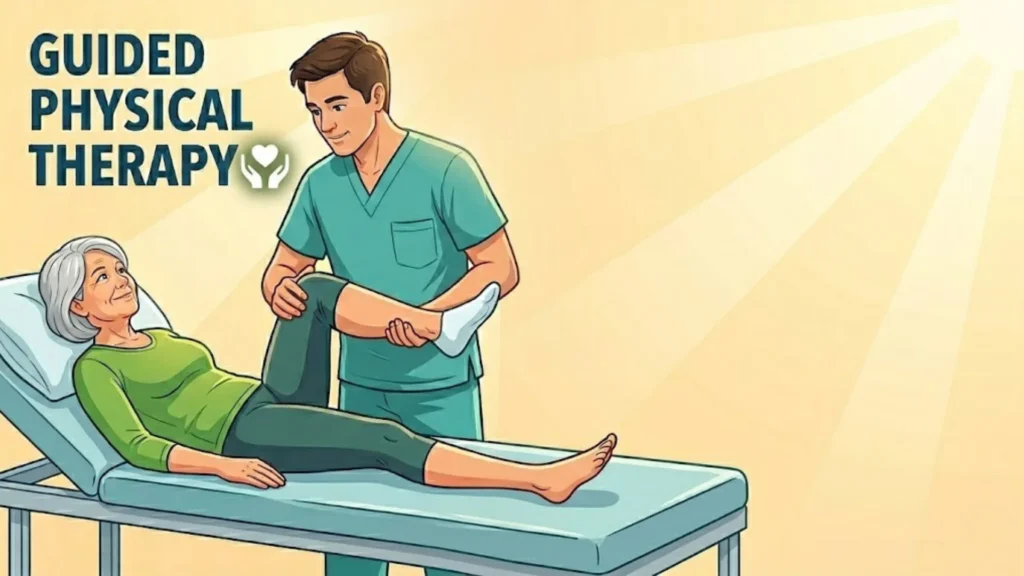
Physical therapy involves guided exercises designed to strengthen muscles, improve flexibility, and stabilize the knee joint. A tailored program can significantly reduce pain and enhance overall function.
Hot and Cold Therapy
Cold therapy helps reduce inflammation and numbs sharp pain, especially after activity. Heat therapy, on the other hand, relaxes muscles and improves blood flow, making it useful for stiffness and chronic discomfort.
Assistive Devices and Knee Supports
Knee braces, orthotics, and walking aids help redistribute weight and reduce pressure on the joint. These devices can improve stability and make daily movements more comfortable and safer.

Injections and Advanced Non-Surgical Options
Corticosteroid Injections
Corticosteroid injections provide fast relief by reducing inflammation within the joint. Although effective, their benefits are usually temporary and should be used under medical supervision.
Hyaluronic Acid Injections
These injections improve joint lubrication, allowing smoother movement and reduced friction. They are often recommended for individuals who do not respond well to basic treatments.
Other Minimally Invasive Treatments
Emerging therapies such as platelet-rich plasma (PRP) aim to promote healing within the joint. While still being studied, these treatments show promise in reducing pain and improving function.
Daily Do’s and Don’ts for Knee Arthritis Pain
Activities That Help Reduce Pain
Engaging in controlled, low-impact activities helps maintain joint flexibility and strength. Consistency is key, as regular movement prevents stiffness and supports long-term joint health.
Movements to Avoid
High-impact and repetitive movements can worsen joint damage and increase pain levels. Avoiding activities that put excessive strain on the knees helps prevent flare-ups and further deterioration.
When Surgery May Be Considered
Situations Where Surgery Is Recommended
Surgery is typically considered when pain becomes severe and unmanageable through non-surgical methods. It may also be necessary when joint damage significantly limits mobility and quality of life.
Alternatives Before Knee Replacement
Before opting for surgery, doctors usually recommend exploring all non-invasive options. These include physical therapy, medications, and injections, which can often delay or eliminate the need for surgical intervention.
Living With Arthritic Knee Pain
Long-Term Pain Management Strategies
Managing arthritis requires a combination of treatments tailored to individual needs. Consistency in exercise, medication, and lifestyle changes plays a crucial role in controlling symptoms.
Improving Mobility and Quality of Life
Adopting healthy habits and protecting your joints can significantly improve daily function. With the right approach, many individuals are able to maintain an active and independent lifestyle.
FAQs
What is the fastest way to get pain relief for arthritic knees?
The fastest relief usually comes from combining rest, cold therapy, and anti-inflammatory medication. However, sustainable relief depends on long-term management strategies.
Can knee arthritis be treated without surgery?
Yes, many people successfully manage knee arthritis through non-surgical treatments such as exercise, medications, and lifestyle changes without needing surgery.
Which exercise is best for arthritic knees?
Low-impact exercises like swimming, cycling, and walking are considered the safest and most effective for reducing pain and improving mobility.
Are knee braces effective for arthritis pain?
Yes, knee braces provide support and reduce pressure on the joint, which can help decrease pain and improve stability during movement.
When should I worry about knee arthritis pain?
You should seek medical advice if pain becomes persistent, worsens over time, or starts interfering with your ability to perform daily activities.
Final Thoughts
Knee arthritis can be challenging, but it does not mean you have to live with constant pain or immediately consider surgery. With the right combination of treatments and daily habits, you can reduce discomfort, improve mobility, and maintain a more active and comfortable lifestyle.