
 By
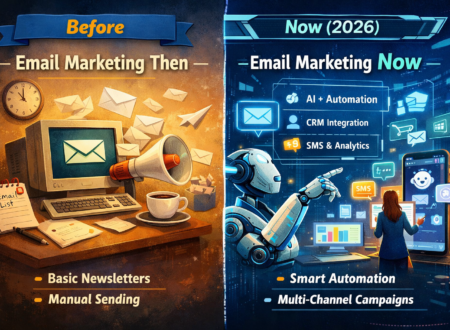
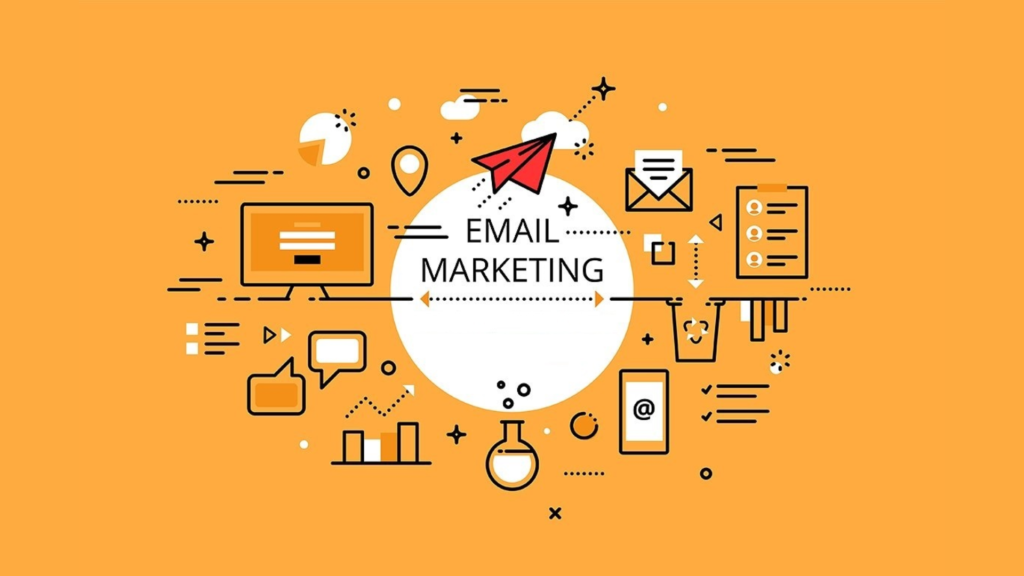
By Email Marketing in 2026 continues to deliver one of the highest returns on investment for businesses worldwide. From startups in the US to growing eCommerce brands in the UK, Canada, and Australia, email remains a direct, reliable, and data-driven communication channel. However, the strategy is evolving rapidly. Artificial intelligence, predictive personalization, intelligent inbox filtering, stronger privacy regulations, and omnichannel marketing integration are reshaping how brands connect with their audiences. Leveraging the Best AI Tools for SEO alongside modern email marketing strategies can help businesses optimize content, improve deliverability, and maximize engagement across digital channels.
In 2026, success depends on adopting smarter automation, privacy first data strategies, and behavior-based segmentation. Businesses that embrace these modern frameworks will strengthen customer trust, increase engagement, and drive higher conversions.
This comprehensive guide to Email Marketing in 2026 covers foundational concepts, advanced strategies, emerging trends, and practical tools designed to help small businesses, enterprises, nonprofits, and online stores grow strategically in competitive global markets.
Email marketing is the process of sending targeted, permission-based messages to your audience via email. It allows businesses to deliver promotions, updates, newsletters, or transactional messages directly to subscribers’ inboxes. By nurturing leads, building loyalty, and encouraging conversions, email marketing remains a core component of digital strategies worldwide.
Why Email Marketing Is Essential for Business Growth
Email marketing offers powerful advantages that make it one of the most effective digital marketing strategies for businesses of all sizes:
- High ROI: Email marketing delivers an average return of $36 for every $1 spent, making it one of the most cost-effective marketing channels available.
- Direct Engagement: Connect directly with your audience through personalized, one-to-one communication at scale.
- Advanced Personalization: Send targeted email campaigns based on customer behavior, preferences, and purchase history.
- Measurable Results: Easily track open rates, click-through rates, conversions, and overall email marketing performance with detailed analytics.
- Marketing Automation: Automate welcome emails, follow-ups, and drip campaigns to save time while maintaining consistent brand messaging.
These benefits make email marketing an indispensable tool for driving customer engagement, increasing sales, and supporting long-term business growth.
Understanding the different types of email marketing helps businesses design targeted campaigns that align with customer needs and buyer journeys:
- Email Newsletters: Keep subscribers informed and engaged with company updates, industry insights, tips, and curated content.
- Promotional Emails: Drive sales by highlighting discounts, special offers, seasonal campaigns, and limited-time deals.
- Transactional Emails: Send essential messages such as order confirmations, receipts, shipping updates, and account notifications.
- Lifecycle Emails: Automatically triggered emails based on subscriber behavior or lifecycle stage, including onboarding, re-engagement, and retention campaigns.
- Automated Drip Campaigns: Deliver a pre-scheduled sequence of targeted emails over time to nurture leads and build long-term customer relationships.
Each type of email marketing serves a specific purpose and, when strategically aligned with your audience’s journey, helps maximize engagement, conversions, and customer loyalty.
Email Marketing Examples That Drive Real Business Growth
High-performing email marketing campaigns play a crucial role in boosting customer engagement and conversions. Some of the most effective examples include:
- Welcome Emails: Greet new subscribers and introduce your brand, products, or services while setting expectations for future communication.
- Abandoned Cart Emails: Remind customers to complete their purchase with timely follow-ups and personalized incentives.
- Monthly Email Newsletters: Share curated content, updates, industry insights, and valuable tips to stay top-of-mind.
- Event Invitations: Promote webinars, workshops, and live events to increase registrations and attendance.
- Product Launch Announcements: Generate excitement and drive early sales with exclusive previews or limited-time offers.
When these email campaigns are personalized, segmented, and strategically timed, they consistently drive higher open rates, stronger engagement, and increased conversions.
What Are the Best Email Marketing Tools for Businesses?
Selecting the right email marketing tools is crucial for creating, automating, and optimizing successful campaigns. Leading platforms like Mailjet,Litmus, Klaviyo, ActiveCampaign, andHubSpot simplify email campaign management through powerful automation, testing, and analytics features.
Must-Have Features in Email Marketing Software
- Drag-and-Drop Email Builders: Easily design professional email campaigns without coding knowledge.
- Segmentation and Personalization: Target specific audience groups with customized messaging based on behavior and preferences.
- Automation Workflows: Create automated email sequences such as welcome series, abandoned cart reminders, and lead nurturing campaigns.
- Performance Analytics and Reporting: Track open rates, click-through rates, conversions, and ROI to measure campaign effectiveness.
A reliable email marketing platform ensures your campaigns are efficient, data-driven, scalable, and highly effective for long-term business growth.
What Is Email Marketing Automation and How Does It Work?
Email marketing automation allows businesses to send targeted email campaigns automatically based on subscriber triggers, behaviors, or predefined schedules. Instead of sending emails manually, automation ensures the right message reaches the right person at the right time.
Common examples of email marketing automation include:
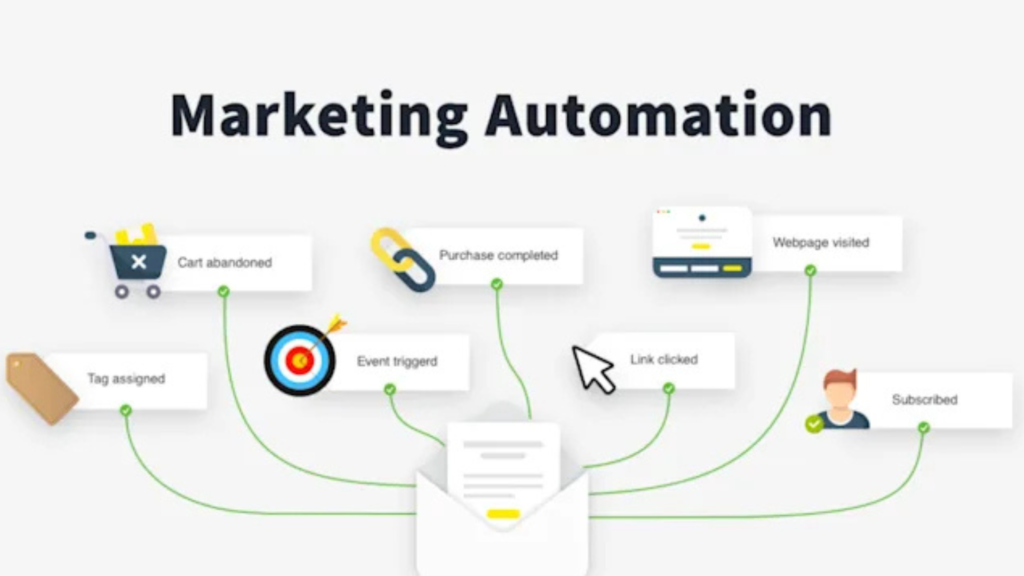
- Welcome Email Sequences: Automatically greet and onboard new subscribers.
- Abandoned Cart Reminders: Recover lost sales by reminding customers to complete their purchase.
- Re-engagement Campaigns: Reconnect with inactive subscribers to boost retention and loyalty.
Email marketing automation saves time, improves efficiency, increases engagement rates, ensures timely communication, and delivers a more personalized experience for every subscriber.
What Are the Most Effective Email Marketing Best Practices in 2026
- To succeed with email marketing in 2026, businesses must move beyond basic campaigns and adopt strategic, data-driven best practices that improve deliverability, engagement, and conversions.
- First, audience segmentation is essential. Dividing subscribers based on behavior, demographics, purchase history, or engagement level allows you to send highly relevant messages instead of generic broadcasts.
- Second, personalization powered by AI and behavioral data significantly increases open rates and click-through rates. This includes dynamic content, personalized subject lines, and product recommendations.
- Mobile optimization is no longer optional. With the majority of users checking emails on smartphones, responsive design, fast-loading templates, and clear CTAs are critical.
- Maintaining email list hygiene improves sender reputation. Regularly remove inactive subscribers, verify email addresses, and monitor bounce rates to protect deliverability.
- Tracking performance metrics such as open rates, CTR, conversion rate, unsubscribe rate, and overall ROI helps refine campaigns continuously.
- Finally, compliance with global privacy regulations like GDPR (Europe), CCPA (California), and evolving data protection laws ensures trust, transparency, and long-term sustainability.
- When implemented together, these email marketing best practices strengthen engagement, improve inbox placement, and maximize marketing ROI in competitive global markets.
These practices improve deliverability, engagement, and overall campaign ROI.
How to Do Email Marketing
A step-by-step approach to how to do email marketing effectively:
- Grow Your Email List, Use opt-ins and lead magnets to attract and capture subscribers.
- Segment your audience based on behavior and demographics.
- Choose the right email marketing platform.
- Create compelling, mobile-friendly content.
- Automate lifecycle campaigns for efficiency.
- Monitor analytics and optimize campaigns continuously.
By focusing on relevance, timing, and data-driven insights, marketers can deliver high-performing campaigns.
What Are Email Marketing Campaigns and Why Are They Critical in 2026?
Email marketing campaigns are strategically designed communication sequences created to achieve measurable business objectives such as lead generation, customer acquisition, revenue growth, retention, and brand engagement. In 2026, email campaigns are no longer simple promotional blasts, they are data-driven, automated customer journeys powered by AI, behavioral tracking, and advanced segmentation.
A high-performing email marketing campaign follows a structured framework: goal definition, audience segmentation, message personalization, automation setup, performance tracking, and continuous optimization. Each campaign must align with the customer lifecycle stage whether awareness, consideration, purchase, or retention.
For example:
- Welcome campaigns build trust and introduce brand value to new subscribers.
- Lead nurturing campaigns educate prospects through informative, value-driven content.
- Promotional campaigns use urgency, personalization, and behavioral triggers to increase conversions.
- Re-engagement campaigns target inactive subscribers to improve list hygiene and retention.
- Transactional campaigns strengthen trust through confirmations, receipts, and order updates.
In 2026, effective email marketing campaigns rely heavily on automation workflows, dynamic content blocks, predictive send-time optimization, and AI-powered subject line testing. Intelligent inbox algorithms and stricter privacy regulations mean businesses must focus on relevance, consent-based data collection, and engagement quality.
Performance measurement is equally critical. Marketers must track open rates, click-through rates (CTR), conversion rates, unsubscribe rates, customer lifetime value (CLV), and overall ROI to evaluate campaign success. Continuous A/B testing and segmentation refinement ensure campaigns remain competitive and performance-driven.
Ultimately, well-structured email marketing campaigns create personalized customer experiences at scale, strengthen brand trust, and drive sustainable business growth in 2026 and beyond
What Is Email List Building and Why Does It Matter for Marketing Success in 2026?
Email list building is the strategic process of collecting permission-based email addresses from people who are genuinely interested in your brand. Instead of buying contacts or sending unsolicited emails, businesses attract subscribers through opt-in forms, lead magnets, landing pages, gated content, and subscription offers. In 2026, list building is no longer just about growing numbers, it is about building a qualified, engaged audience that trusts your brand.
What Is Email List Building?
Email list building involves:
- Creating sign-up forms on websites, blogs, and landing pages
- Offering value in exchange for an email address (eBooks, discounts, webinars, templates)
- Using double opt-in to confirm subscriber consent
- Collecting zero-party data (information users willingly share)
- Segmenting subscribers based on interests or behavior
The goal is to create a permission-based database of subscribers who want to hear from you.
Why Email List Building Matters in 2026
In 2026, digital marketing is heavily influenced by privacy regulations, AI-driven algorithms, and declining organic reach on social media. Email remains one of the few owned marketing channels, meaning you control access to your audience.

Here’s why email list building is critical for marketing success:
1. Higher ROI Than Other Channels
Email marketing consistently delivers one of the highest returns on investment compared to paid ads and social media. A strong list directly increases revenue opportunities.
2. Direct Access to Your Audience
Unlike social platforms where algorithms limit visibility, your email list gives you direct communication with subscribers.
3. Better Personalization and Segmentation
With modern tools, businesses can segment lists by behavior, purchase history, engagement level, or demographics. This allows highly targeted campaigns that increase conversions.
4. Improved Deliverability and Engagement
A clean, engaged email list improves sender reputation, inbox placement, open rates, and click-through rates.
5. Stronger Customer Relationships
Consistent, valuable communication builds trust over time, leading to repeat purchases and long-term loyalty.
Best Practices for Email List Building in 2026
To succeed, businesses should:
- Focus on quality over quantity
- Use transparent consent and comply with GDPR and CCPA
- Offer meaningful lead magnets
- Optimize mobile-friendly sign-up forms
- Regularly clean inactive subscribers
- Use AI-driven segmentation for smarter targeting
What Is Email Deliverability and How Can You Improve It in 2026?
Email deliverability refers to the ability of your emails to successfully reach your subscriber’s inbox instead of being filtered into spam, promotions, or blocked entirely. In 2026, improving email deliverability is more critical than ever because intelligent inboxes and AI-driven filtering systems evaluate not just technical setup, but also engagement quality and sender trust.
What Is Email Deliverability?
Email deliverability is influenced by several key factors:
- Sender reputation (based on engagement, complaints, and bounce rates)
- Email authentication protocols like SPF, DKIM, and DMARC
- List hygiene and permission-based subscribers
- Content relevance and engagement signals
- Spam complaint rates and unsubscribe behavior
Modern inbox providers analyze all of these signals before deciding whether your message deserves inbox placement.
Why Email Deliverability Matters in 2026
With intelligent inboxes prioritizing relevance and trust, low-quality or poorly authenticated emails are quickly filtered out. Even a well-designed campaign cannot generate ROI if it never reaches the inbox. Strong deliverability directly impacts:
- Open rates
- Click-through rates
- Conversion rates
- Overall email marketing ROI
How to Improve Email Deliverability in 2026
To maintain high inbox placement, businesses should:
- Properly configure SPF, DKIM, and DMARC authentication
- Use double opt-in to ensure subscriber consent
- Remove inactive or invalid email addresses regularly
- Avoid spam-trigger words and misleading subject lines
- Maintain consistent sending volume
- Monitor bounce rates and complaint ratios
- Focus on engagement-driven segmentation
The Role of Intelligent Inboxes
In 2026, inbox algorithms evaluate user behavior such as replies, saves, clicks, and deletions. Emails that consistently receive positive engagement signals are prioritized. This means relevance is now directly tied to deliverability
What Is Email Segmentation and How Does It Improve Results in 2026?
Email segmentation is the strategic process of dividing your email list into smaller, clearly defined groups based on criteria such as subscriber behavior, demographics, interests, purchase history, engagement level, or lifecycle stage. Instead of sending one generic email to your entire audience, segmentation allows marketers to deliver targeted, relevant, and personalized messages that align with each subscriber’s needs and intent.
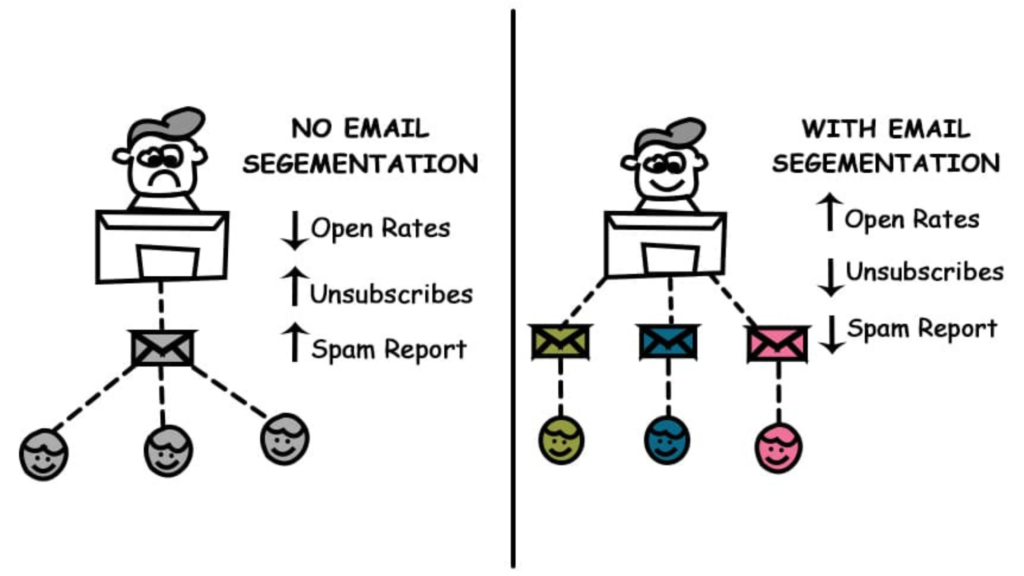
In 2026, intelligent inbox algorithms prioritize relevance, engagement, and sender trust. This means broad, untargeted campaigns are far less effective. Email segmentation improves performance by ensuring the right message reaches the right person at the right time. As a result, businesses experience higher open rates, stronger click-through rates (CTR), improved conversions, and better long-term customer retention.
Modern email segmentation strategies go beyond basic demographics. Advanced approaches include:
- Behavior-based segmentation (website visits, email clicks, downloads, cart activity)
- Purchase-based segmentation (new customers, repeat buyers, high-value clients)
- Engagement-level segmentation (active, inactive, at-risk subscribers)
- Lifecycle segmentation (leads, prospects, first-time buyers, loyal customers)
- Geographic and industry segmentation for localized or niche campaigns
With AI-powered tools in 2026, segmentation is increasingly automated and data-driven. Platforms analyze real-time interactions, predict subscriber intent, and dynamically adjust segments to deliver hyper-personalized campaigns such as product recommendations, re-engagement flows, upsell emails, and abandoned cart reminders.
To implement effective email segmentation, businesses should collect meaningful subscriber data, use progressive profiling, regularly clean and update lists, and continuously optimize segments based on performance metrics. When combined with personalization and automation, email segmentation becomes a powerful driver of engagement, trust, and measurable marketing growth.
What Is Email Personalization and How Does It Increase Engagement in 2026?
Email personalization is the strategic practice of customizing email content based on a subscriber’s preferences, behavior, demographics, purchase history, and engagement patterns. In 2026, email personalization goes far beyond simply inserting a first name in the subject line. It involves delivering highly relevant, data-driven content that aligns with each subscriber’s intent and stage in the customer journey.
Modern email personalization includes:
- Dynamic content blocks that change based on user data
- AI-powered product recommendations tailored to browsing or purchase history
- Behavioral triggers such as abandoned cart emails or re-engagement sequences
- Personalized subject lines and send times optimized for higher open rates
- Location-based messaging for geo-targeted offers
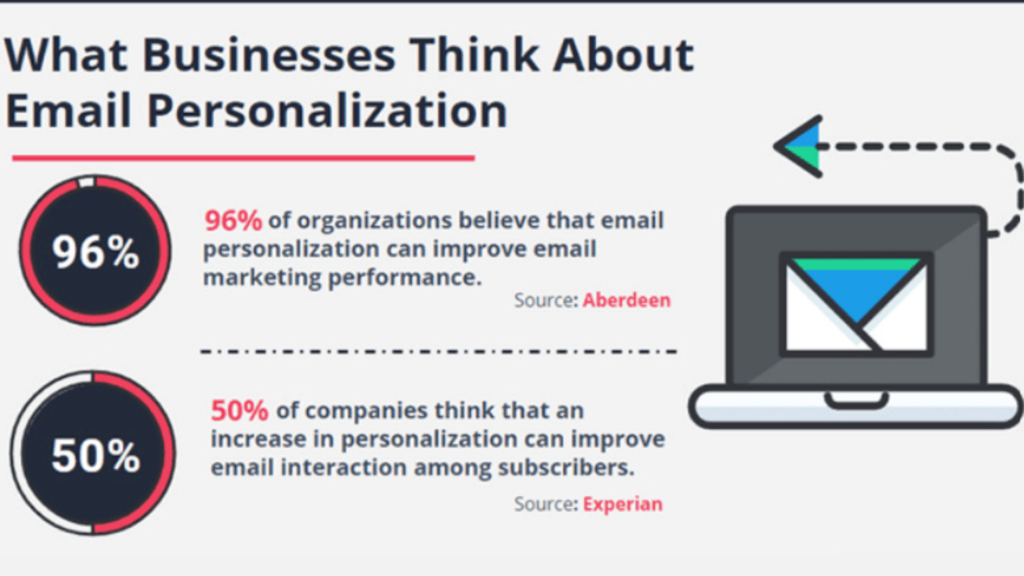
With AI and machine learning becoming standard in email marketing in 2026, businesses can now predict subscriber needs, automate personalized workflows, and deliver real-time messaging that adapts to customer actions. This level of personalization significantly improves open rates, click-through rates (CTR), conversion rates, and overall return on investment (ROI).
From an SEO and AEO perspective, email personalization improves user engagement signals, strengthens brand trust, and supports customer retention strategies. It also answers common user questions such as “How does email personalization work?” and “Why is personalization important in email marketing?”
To implement effective email personalization in 2026, marketers should focus on collecting quality first-party data, segmenting audiences accurately, using automation tools, and continuously analyzing performance metrics. When executed correctly, email personalization transforms generic campaigns into meaningful, one-to-one communication experiences that drive measurable business growth.
What Is Email Marketing Software and How to Choose the Right Platform in 2026?
Email marketing software is a powerful digital platform that enables businesses to create, automate, manage, and analyze email campaigns at scale. In 2026, modern email marketing software goes beyond basic newsletter sending, it integrates AI-driven automation, advanced segmentation, behavioral tracking, CRM connectivity, and performance analytics to deliver measurable business growth.
The primary functions of email marketing software include:
- Campaign design with drag-and-drop builders
- Marketing automation and drip sequences
- Audience segmentation and lifecycle targeting
- Real-time analytics and performance tracking
- A/B testing and optimization tools
- List management and compliance monitoring
- Integration with CRM, eCommerce, and third-party apps
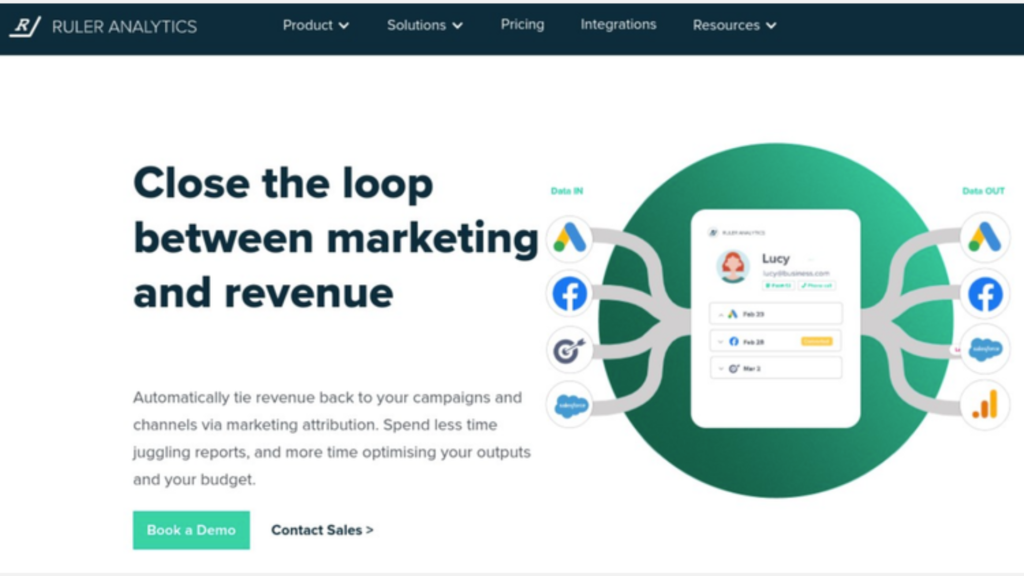
Leading platforms such as Mailjet, Klaviyo, HubSpot, ActiveCampaign, and Litmus offer advanced capabilities including AI-powered personalization, predictive sending, dynamic content blocks, and omnichannel automation. These features allow marketers to deliver the right message to the right audience at the right time.
When choosing email marketing software in 2026, businesses should evaluate:
- Scalability and pricing structure
- Automation depth and AI capabilities
- Deliverability support and authentication tools
- GDPR and data privacy compliance
- Integration with existing marketing stack
From an SEO and AEO perspective, this section answers high-intent queries like “What is email marketing software?”, “Which email marketing software is best in 2026?”, and “How do I choose the right email marketing platform?”
Well-selected email marketing software not only improves efficiency but also strengthens customer engagement, conversion rates, and long-term ROI.
Email Marketing Predictions 2026: Trends, Technologies & Future Outlook
Email Marketing Predictions 2026 highlight a major transformation in how brands communicate, automate, and optimize customer engagement. As artificial intelligence, privacy regulations, and smart inbox technologies evolve, businesses must adapt to remain competitive and maintain high deliverability.
Here are the key email marketing trends shaping 2026:
1. AI-Driven Personalization & Predictive Automation
Artificial intelligence will power hyper-personalized campaigns using behavioral data, predictive analytics, and real-time triggers. AI will determine optimal send times, subject lines, and content variations automatically, improving engagement and conversion rates.
2. Intelligent Inboxes & Algorithm-Based Prioritization
Email providers are increasingly using machine learning to filter and prioritize emails. In 2026, engagement signals such as clicks, replies, and interaction time will matter more than traditional open rates.
3. Privacy-First & Compliance-Focused Strategies
With evolving global regulations (GDPR, CCPA, and new regional laws), marketers must prioritize consent-based list building, secure data handling, and transparent communication practices.
4. Omnichannel Integration
Email marketing will integrate seamlessly with SMS, push notifications, chatbots, and mobile apps. Cross-channel automation will create unified customer journeys instead of isolated campaigns.
5. Engagement Quality Over Vanity Metrics
Open rates are becoming less reliable due to privacy updates. Marketers will focus more on click-through rates, conversions, revenue attribution, and subscriber lifetime value.
In 2026, brands that combine AI automation, advanced segmentation, strong deliverability practices, and omnichannel strategies will dominate the inbox and achieve sustainable long-term growth.
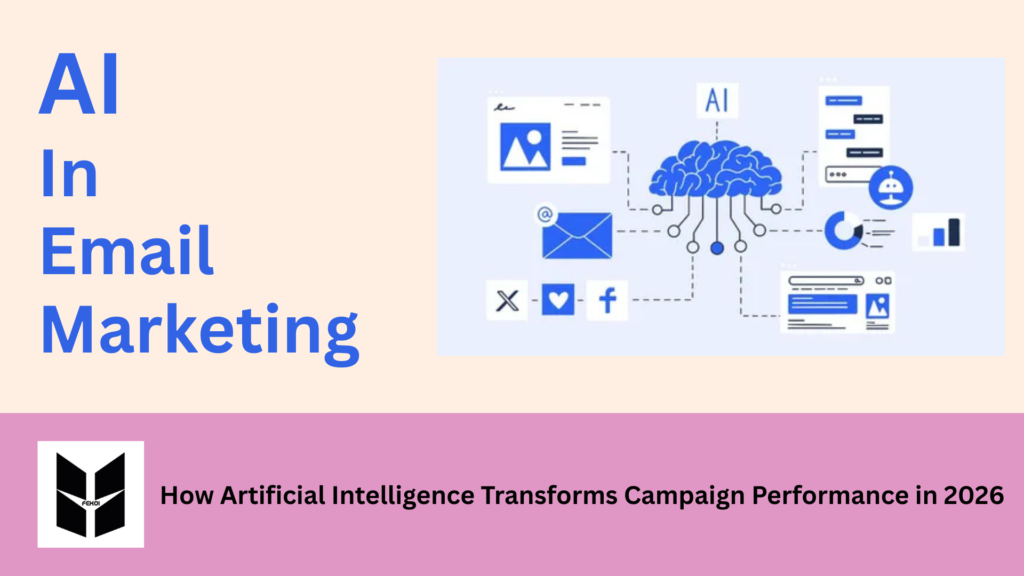
AI in Email Marketing: How Artificial Intelligence Transforms Campaign Performance in 2026
AI in Email Marketing is redefining how brands create, automate, and optimize campaigns in 2026. Artificial intelligence enhances content creation, advanced segmentation, predictive analytics, and real-time personalization, enabling marketers to deliver highly relevant messages at scale.
Modern AI tools can generate compelling subject lines, optimize send times based on behavioral data, predict subscriber engagement, and dynamically recommend content tailored to individual preferences. Generative AI also accelerates campaign production by creating email copy, product descriptions, and A/B test variations within minutes.
Beyond automation, AI-driven insights analyze customer lifecycle stages, engagement patterns, and purchase intent to improve targeting accuracy. As intelligent inbox algorithms become more advanced, AI helps marketers maintain deliverability, improve conversions, and maximize ROI through data-backed decision-making.
In 2026, AI-powered email marketing is no longer optional, it is essential for scalable growth, competitive advantage, and sustainable customer engagement.
What Are Intelligent Inboxes and How Do They Impact Email Marketing in 2026?
Intelligent inboxes are AI-driven email filtering systems that automatically prioritize messages based on relevance, engagement behavior, sender reputation, and content quality. Instead of relying only on traditional spam filters, modern inbox providers such as Gmail, Apple Mail, and Outlook use machine learning algorithms to evaluate how subscribers interact with emails. They analyze open behavior, click activity, reply patterns, deletions, and trust signals to decide whether a message appears in the primary inbox, promotions tab, or spam folder.
In 2026, intelligent inbox technology directly affects email deliverability, visibility, and campaign performance. If subscribers frequently engage with your emails, inbox algorithms interpret this as a positive signal and increase placement priority. On the other hand, low engagement, high unsubscribe rates, or spam complaints can reduce visibility and harm sender reputation.
To optimize for intelligent inboxes, marketers must focus on behavioral targeting, advanced email segmentation, and strong personalization strategies. Authentication protocols such as SPF, DKIM, and DMARC are critical for building domain trust and preventing spoofing. Additionally, maintaining clean email lists, removing inactive subscribers, and delivering high-value, relevant content improves engagement metrics that influence inbox ranking.
The future of email marketing is no longer about sending more emails, it is about sending smarter emails. Brands that prioritize engagement quality, personalization, and technical compliance will secure better inbox placement and higher ROI in 2026.
Email Authentication Trends in 2026: Ensuring Deliverability and Brand Trust
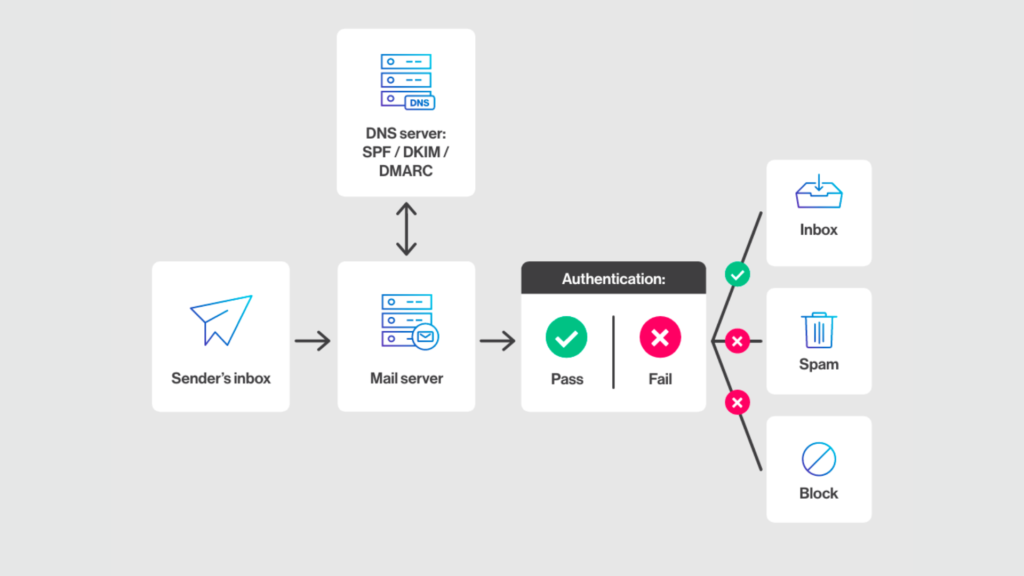
Email authentication has become a cornerstone of modern email marketing, with protocols like SPF (Sender Policy Framework), DKIM (DomainKeys Identified Mail), and DMARC (Domain-based Message Authentication, Reporting, and Conformance) now essential for inbox placement and maintaining brand credibility. In 2026, these authentication standards will see near-universal adoption, with inbox providers like Gmail, Outlook, and Apple Mail enforcing stricter compliance to protect users from phishing, spoofing, and fraudulent emails.
Beyond security, proper authentication enables advanced features such as BIMI (Brand Indicators for Message Identification), which displays verified brand logos in subscribers’ inboxes, boosting recognition and trust. Marketers who implement these protocols not only safeguard their domain reputation but also enhance deliverability, ensuring that campaigns reach the primary inbox rather than spam or promotions tabs.
To stay competitive in 2026, email marketers must prioritize authentication as part of their technical setup, regularly monitor authentication reports, and align with evolving industry standards. Doing so reinforces credibility, strengthens engagement, and maximizes ROI from every email campaign.
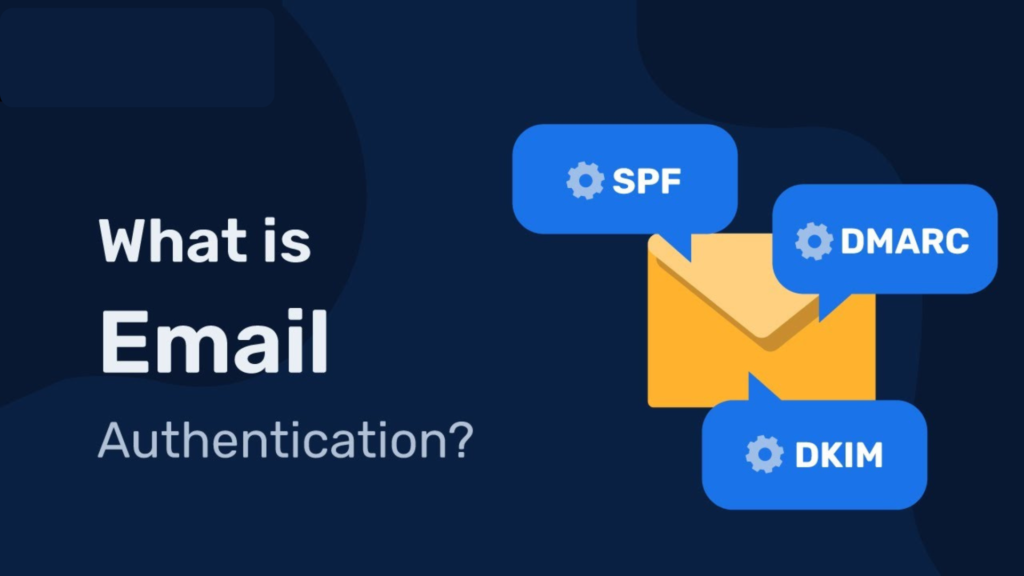
DMARC, DKIM, and SPF: Essential Email Authentication Protocols for 2026
DMARC, DKIM, and SPF are critical email authentication protocols that safeguard your campaigns, improve deliverability, and enhance brand trust. Proper implementation ensures your emails reach the inbox, reduces the risk of phishing or spoofing, and enables advanced features like BIMI (Brand Indicators for Message Identification). In 2026, these protocols are no longer optional, they are mandatory for businesses that want high engagement and secure email marketing practices.
Key Protocols Explained:
- SPF (Sender Policy Framework): Verifies that the sending mail server is authorized to send emails on behalf of your domain, preventing unauthorized sources from sending fraudulent emails.
- DKIM (DomainKeys Identified Mail): Adds cryptographic signatures to your emails to ensure message integrity, proving that the content hasn’t been altered during transit.
- DMARC (Domain-based Message Authentication, Reporting & Conformance): Aligns SPF and DKIM results, instructs inbox providers on how to handle unauthorized emails, and provides reports to monitor email activity.
Benefits of Implementing DMARC, DKIM, and SPF in 2026:
- Increases inbox placement rates and overall deliverability.
- Protects your brand reputation and prevents spoofing or phishing attacks.
- Enables BIMI for verified logos in subscribers’ inboxes, improving brand recognition.
- Provides actionable insights through authentication reports to monitor security and performance.
- Builds trust with subscribers and ensures compliance with modern email marketing standards.
Optimizing your email campaigns with DMARC, DKIM, and SPF is a crucial step for marketers in 2026 who aim to maximize engagement, secure their communications, and strengthen brand credibility.
BIMI Email: Boosting Brand Trust and Engagement in 2026
BIMI (Brand Indicators for Message Identification) email is a modern authentication feature that displays a verified brand logo directly in the subscriber’s inbox. This visual verification immediately signals trust and authenticity, encouraging recipients to open and interact with emails confidently. To implement BIMI, proper DMARC enforcement is required, ensuring that only authenticated emails carry your logo.
Why BIMI Matters in 2026:
- Enhances Brand Recognition: Your logo appears alongside every email, reinforcing brand identity.
- Builds Subscriber Trust: Instantly signals email legitimacy, reducing the risk of phishing attacks.
- Improves Engagement Rates: Verified logos increase open and click-through rates as subscribers feel safer interacting.
- Strengthens Deliverability: Combined with DMARC, BIMI signals credibility to inbox providers.
- Future-Proof Strategy: Adoption is growing rapidly in 2026, making early implementation a competitive advantage.
Implementing BIMI ensures your email campaigns are visually trustworthy, subscriber-friendly, and optimized for maximum engagement in the evolving email marketing landscape.
Omnichannel Email Marketing: Creating Cohesive Customer Journeys in 2026
Omnichannel email marketing combines email with other communication channels such as SMS, push notifications, chat apps, and in-app messaging to deliver a unified customer experience. This integrated approach ensures that messaging is consistent, timely, and relevant, no matter where your audience engages with your brand.
By connecting email campaigns with behavioral triggers across multiple channels, marketers can guide subscribers through personalized journeys that increase engagement, boost conversions, and enhance customer retention. Omnichannel strategies also provide richer insights into user behavior, helping refine targeting and content for better ROI.
Key Benefits of Omnichannel Email Marketing:
- Seamless Customer Experience: Maintain consistent messaging across all touchpoints.
- Higher Engagement Rates: Timely, relevant communication increases opens and clicks.
- Improved Conversions: Coordinated campaigns drive purchases and actions.
- Stronger Retention: Continuous multi-channel interaction strengthens loyalty.
- Data-Driven Optimization: Track interactions across channels for smarter decision-making.
Integrating email with other channels ensures your brand stays top-of-mind while delivering personalized, data-backed campaigns that resonate with your audience in 2026 and beyond.
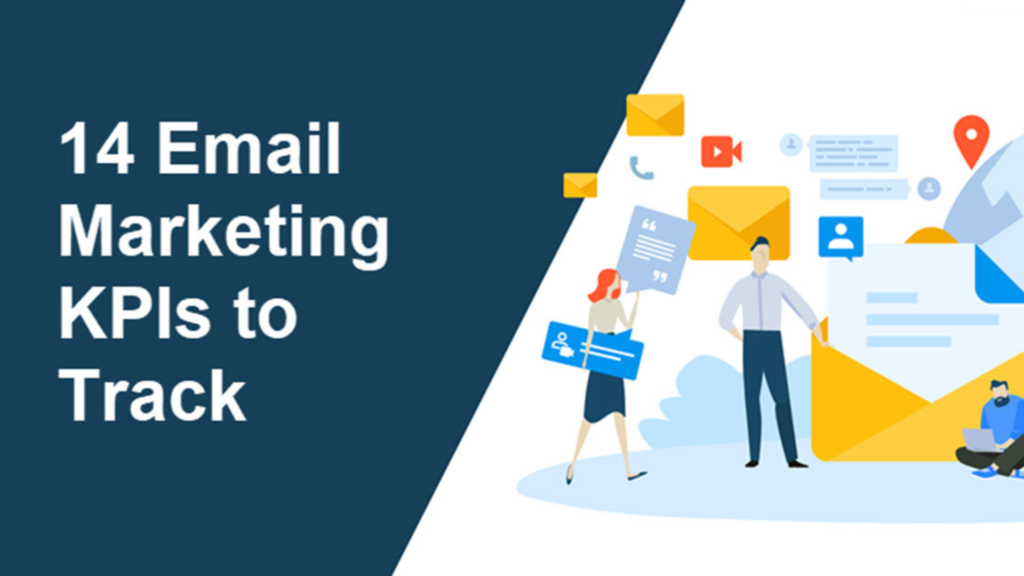
Email KPIs 2026
Email KPIs 2026 will shift focus from opens to engagement-based metrics:
- Click-through rates
- Time spent reading
- Conversion rates
- List health metrics
- Engagement quality signals
KPIs must align with business goals and intelligent inbox algorithms to ensure campaigns are not only seen but also drive action.
Ethical Email Marketing
Ethical email marketing emphasizes privacy, consent, and transparency. In 2026, brands must prioritize zero-party data, secure handling of subscriber information, and visible authentication. Ethical practices build trust, improve engagement, and reduce unsubscribes, making them essential for long-term success in a privacy-conscious world.
Generative AI Email Marketing: Scaling Creativity and Efficiency in 2026
Generative AI email marketing uses advanced AI technologies to create high-quality content, visuals, and automated email sequences at scale. By leveraging AI for personalized subject lines, dynamic product recommendations, and behavior-driven content, marketers can deliver highly relevant emails that resonate with each subscriber.
This approach not only enhances creativity and engagement but also frees marketers from repetitive tasks, allowing them to focus on strategy, campaign optimization, and audience insights. Generative AI ensures faster production, consistency, and improved performance, making it a key driver of ROI in 2026.
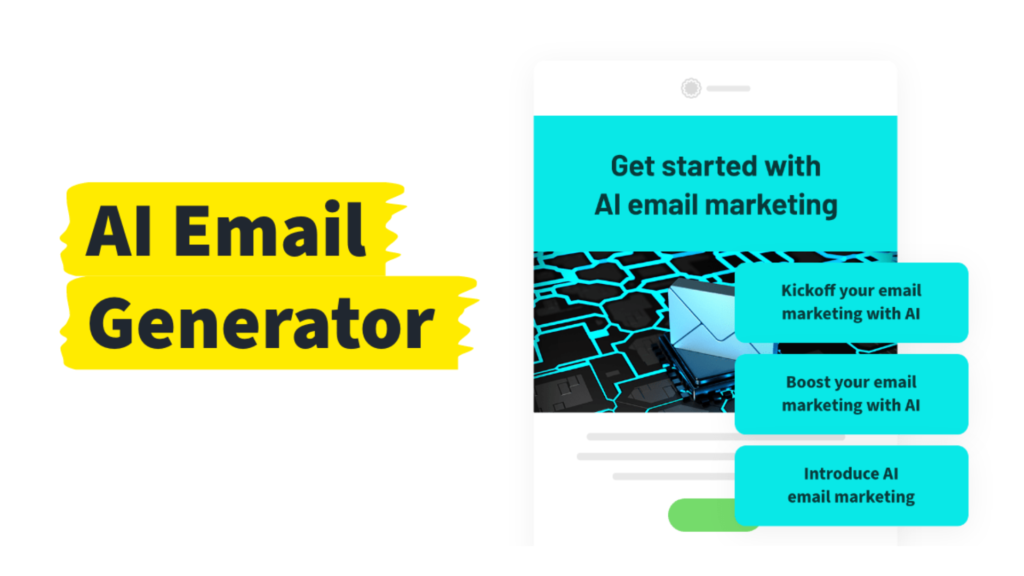
Key Advantages of Generative AI in Email Marketing:
- Personalized Content at Scale: Tailor subject lines, copy, and offers automatically.
- Dynamic Recommendations: Suggest products or content based on user behavior.
- Increased Efficiency: Automate repetitive tasks, saving time for strategy and analysis.
- Enhanced Engagement: AI-optimized emails improve opens, clicks, and conversions.
- Data-Driven Optimization: Use AI insights to refine campaigns continuously.
Adopting generative AI in email marketing allows brands to deliver smarter, faster, and more personalized campaigns, ensuring maximum impact and ROI in 2026.
Email Automation Trends: Optimizing Campaigns for 2026
Email automation trends in 2026 are transforming how marketers engage subscribers, making campaigns more timely, personalized, and efficient. Modern automation goes beyond simple drip sequences, leveraging AI and real-time data to trigger messages based on subscriber behavior, preferences, and lifecycle stages.
Key Email Automation Trends in 2026:
- Lifecycle Automation Sequences: Automatically send welcome emails, onboarding series, and post-purchase follow-ups based on where the subscriber is in the customer journey.
- Event-Triggered Messages: Emails triggered by specific actions like purchases, downloads, or webinar sign-ups, ensuring relevance and immediacy.
- Behavior-Based Triggers: Personalized campaigns react to subscriber engagement, clicks, and browsing behavior.
- Real-Time AI-Driven Personalization: AI dynamically adjusts content, subject lines, and recommendations to increase engagement and conversions.
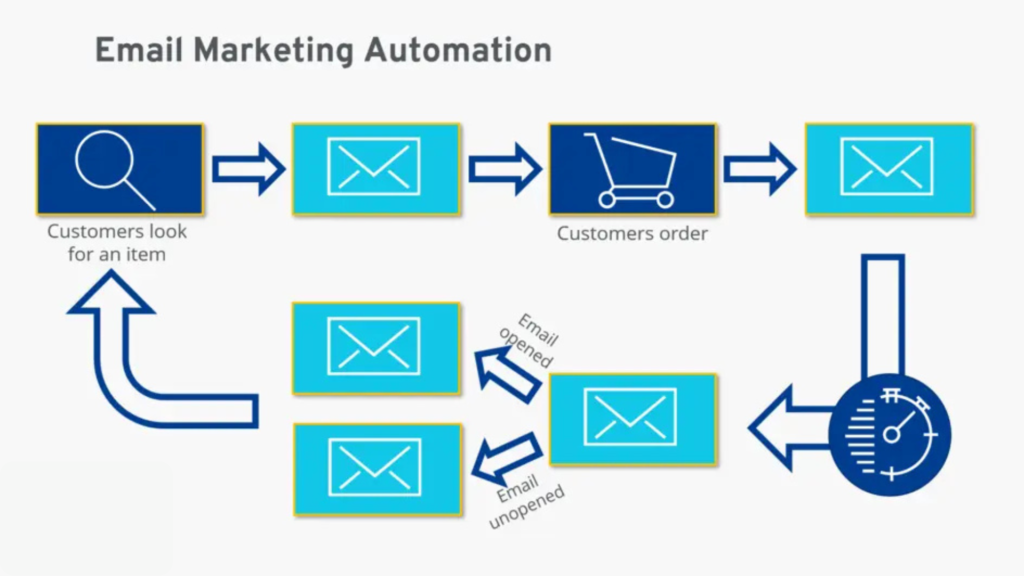
By adopting these advanced automation strategies, businesses can reduce manual workload, increase open and click-through rates, and deliver a highly personalized subscriber experience, positioning email marketing as a key growth driver in 2026.
Privacy-Proof Email Marketing: Ensuring Compliance and Trust in 2026
Privacy-proof email marketing in 2026 is essential for maintaining subscriber trust while complying with global regulations like GDPR, CCPA, Apple Mail Privacy Protection (MPP), and emerging AI-related privacy standards. With stricter rules on data collection and usage, brands must adopt strategies that prioritize transparency, consent, and secure handling of personal information.
Key Strategies for Privacy-Proof Email Marketing:
- Zero-Party Data Collection: Gather information directly from subscribers through surveys, quizzes, and preference centers instead of relying on third-party data.
- Secure Data Handling: Protect personal information with encryption, secure storage, and limited access to maintain compliance and trust.
- Transparent AI Usage: Clearly inform subscribers when AI is used to personalize content, ensuring ethical and responsible automation.
- Double Opt-Ins & Consent Management: Confirm subscriptions and obtain explicit consent to reduce spam complaints and improve engagement.
By implementing privacy-proof email marketing practices, businesses not only safeguard their brand reputation but also build stronger, long-term relationships with subscribers, creating a trustworthy and compliant email marketing ecosystem in 2026.
Email Newsletters: Engaging Audiences and Driving Retention in 2026
Email newsletters continue to be one of the most effective tools for customer retention, engagement, and brand loyalty in 2026. By providing subscribers with consistent, relevant, and valuable content, newsletters help businesses stay top-of-mind while fostering long-term relationships.
Key Elements of Effective Email Newsletters:
- Informative Content: Share industry insights, tips, updates, and news that your audience finds valuable and actionable.
- Personalization: Use subscriber data, preferences, and behavior to deliver tailored content that resonates with each reader.
- Interactive Features: Incorporate polls, quizzes, videos, and clickable CTAs to increase engagement and drive conversions.
- Consistent Scheduling: Send newsletters regularly to maintain trust and establish predictable communication with your audience.
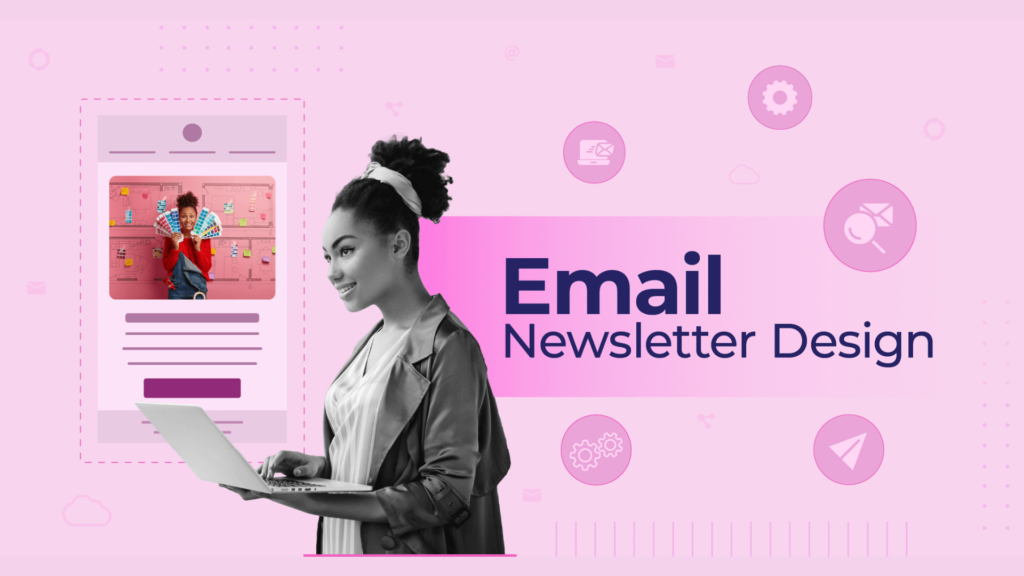
Well-executed newsletters not only improve open and click-through rates but also strengthen your brand presence, encourage repeat interactions, and enhance overall email marketing ROI.
Interactive Email Marketing: Boost Engagement with Dynamic Content in 2026
Interactive email marketing transforms traditional emails into engaging experiences that encourage subscribers to participate rather than just read. By incorporating elements like polls, surveys, quizzes, scratch-offs, GIFs, and image carousels, brands can create dynamic content that captures attention and drives meaningful interactions.
Benefits of Interactive Emails:
- Higher Engagement: Interactive elements prompt clicks, responses, and shares, improving click-through rates.
- Enhanced Subscriber Experience: Makes emails feel like a two-way conversation, increasing brand connection.
- Behavior Insights: Participation data from polls or quizzes helps refine future campaigns and personalization.
- Increased Conversions: Interactive CTAs and gamified content encourage immediate action, boosting ROI.
In 2026, interactive email marketing is a powerful strategy for building stronger relationships, keeping audiences engaged, and standing out in crowded inboxes.
Lifecycle Email Automation: Personalized Journeys for Maximum Engagement in 2026
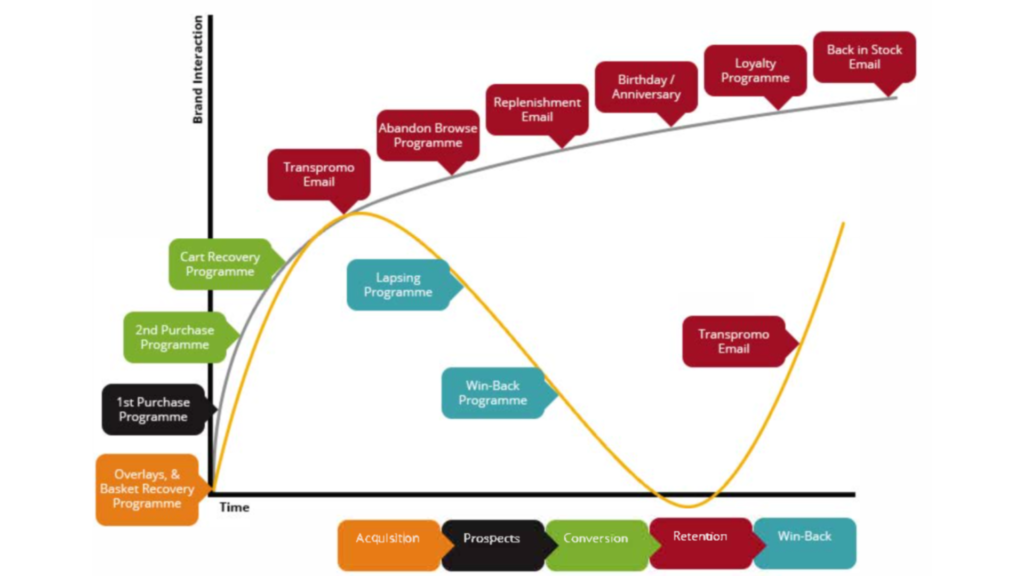
Lifecycle email automation is a strategic approach that delivers targeted messages based on where a subscriber is in the customer journey. From welcome emails for new subscribers to post-purchase follow-ups, this automation ensures the right content reaches the right audience at the right time.
Key Benefits:
- Increased Engagement: Relevant messages boost open rates and click-throughs.
- Higher Conversions: Timely follow-ups encourage purchases, renewals, and upsells.
- Improved Customer Experience: Subscribers feel understood and valued with personalized communications.
- Efficiency for Marketers: Reduces manual effort, allowing teams to focus on strategy and optimization.
By 2026, lifecycle automation is essential for businesses aiming to nurture relationships, increase loyalty, and drive revenue through precise, data-driven email campaigns..
Email Analytics Trends
Email analytics trends focus on actionable insights beyond opens:
- Click-through and conversion rates
- Engagement depth
- Revenue per email
- List health and deliverability metrics
Data-driven analysis helps marketers optimize campaigns, predict trends, and improve ROI in 2026.
Email Segmentation Strategies: Targeted Campaigns for Higher Engagement in 2026
Email segmentation strategies are crucial for delivering relevant, personalized content to your audience. By dividing subscribers into specific groups based on behavior, demographics, engagement levels, or lifecycle stages, marketers can send messages that truly resonate.
Key Segmentation Tactics:
- Behavioral Segmentation: Target users based on past actions, clicks, or purchase history.
- Demographic Segmentation: Customize emails by age, location, job role, or industry.
- Engagement-Level Segmentation: Focus on active, dormant, or highly engaged subscribers for tailored messaging.
- Lifecycle Stage Segmentation: Deliver content appropriate to the subscriber’s journey, from welcome emails to retention campaigns.
AI-Enhanced Segmentation: Using AI and predictive analytics allows dynamic segmentation in real-time, ensuring emails are relevant and timely. In 2026, combining advanced segmentation with AI will maximize engagement, conversions, and ROI for any email marketing strategy.
Zero-Party Data: The Future of Trust-Based Personalization in 2026
Zero-party data refers to information that subscribers intentionally and proactively share with a brand, such as preferences, interests, purchase intentions, and feedback. Unlike third-party data, which is collected indirectly, zero-party data is fully consent-based, highly accurate, and privacy-compliant.
In 2026, as privacy regulations tighten and third-party cookies decline, zero-party data becomes a critical asset for sustainable email marketing growth. Brands can collect this data through:
- Preference centers
- Interactive surveys and polls
- Quizzes and assessments
- Account profile updates
- Feedback forms
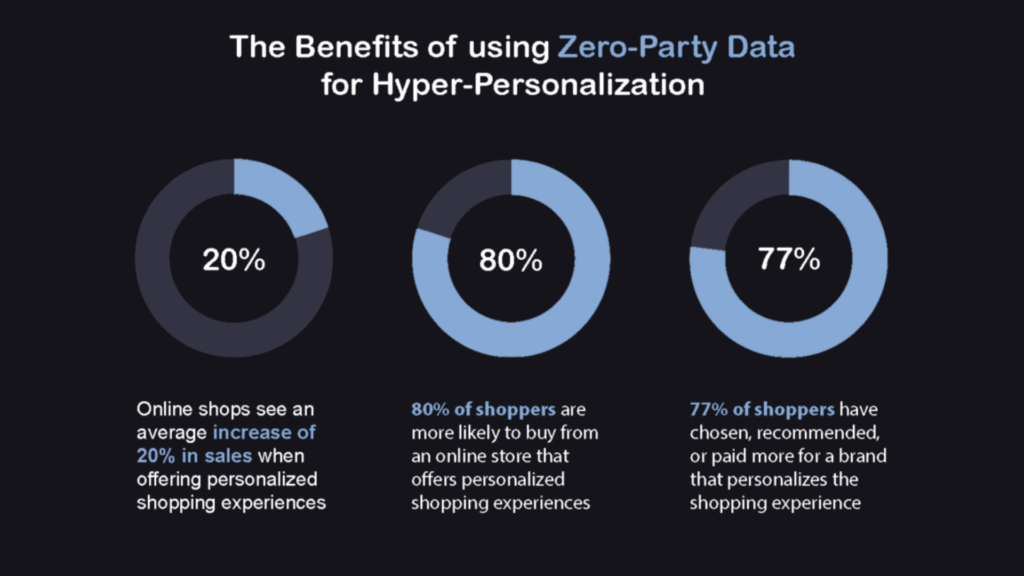
Because subscribers willingly provide this information, it enables hyper-personalized campaigns, smarter segmentation, and higher engagement rates. When integrated with AI-driven personalization and automation workflows, zero-party data helps deliver highly relevant content while maintaining transparency and trust.
For modern email marketing strategies, zero-party data is not just an option, it is the foundation of privacy-proof, customer-centric communication.
Email Marketing News & Monthly Industry Updates for 2026
Staying updated with email marketing news is essential for marketers who want to remain competitive, compliant, and performance-driven. The email landscape evolves rapidly due to AI advancements, inbox algorithm changes, and global privacy regulations. Regularly following monthly updates helps businesses adapt strategies, protect deliverability, and capitalize on emerging opportunities.
January 2026 Highlights
January 2026 marks a significant shift in how brands approach email marketing:
- Accelerated AI Adoption: More businesses are implementing AI-powered personalization, predictive send-time optimization, and automated content generation to improve engagement and conversions.
- Evolving Inbox Rules: Major inbox providers are strengthening filtering algorithms, prioritizing high-engagement senders, and tightening authentication enforcement (SPF, DKIM, DMARC).
- GDPR & Global Privacy Updates: Enhanced compliance requirements emphasize transparent data collection, zero-party data strategies, and stricter consent management.
Marketers who stay informed through monthly email marketing news updates can proactively adjust campaigns, improve deliverability, and maintain customer trust in an increasingly AI-driven and privacy-focused ecosystem.
What Are the Best Days and Times to Send Emails in 2026?
Determining the best days and time to send emails depends on your audience behavior, industry, and campaign goal. While studies often suggest Tuesday–Thursday mornings perform well, there is no universal formula. In 2026, intelligent inboxes and AI-driven algorithms prioritize relevance and engagement over fixed schedules.
How to Identify the Best Send Time
- Test timing per audience segment rather than following generic benchmarks.
- Analyze behavioral data such as open history, time zones, device usage, and purchase patterns.
- Use AI-powered send-time optimization tools available in modern email marketing software.
- Monitor engagement trends monthly and adjust accordingly.
Avoid relying on outdated, one-size-fits-all schedules. Instead, leverage analytics and automation to identify when your subscribers are most active. Data-driven timing improves open rates, click-through rates, and overall campaign performance.
- What Is the Best Email Marketing for Shopify in 2026?
- Choosing the best email marketing for Shopify requires more than just sending promotional emails. In 2026, successful Shopify stores rely on automation, behavioral targeting, and AI-powered personalization to maximize revenue and customer lifetime value. The right strategy integrates seamlessly with your Shopify store, syncs product data in real time, and uses customer behavior to trigger highly relevant campaigns.
- Key Strategies for Shopify Email Marketing
- 1. Automated Cart Recovery
Abandoned cart emails remain one of the highest-converting ecommerce tactics. Advanced automation allows you to trigger reminders based on browsing behavior, cart value, and time delay. Adding dynamic product images and limited-time incentives increases recovery rates significantly. - 2. AI-Powered Product Recommendations
Modern email platforms use AI to analyze purchase history, browsing activity, and similar customer behavior. This enables personalized product recommendations that feel relevant rather than promotional, increasing click-through rates and average order value. - 3. Lifecycle Automation
From welcome sequences to post-purchase follow-ups and win-back campaigns, lifecycle automation ensures every subscriber receives timely communication aligned with their customer journey stage. - 4. Segmentation & Behavioral Targeting
Segment customers based on purchase frequency, order value, product categories, and engagement levels. This improves relevance and prevents email fatigue. - 5. Integrated SMS & Omnichannel Flows
Combining email with SMS reminders enhances campaign performance, especially for flash sales and limited-time offers.
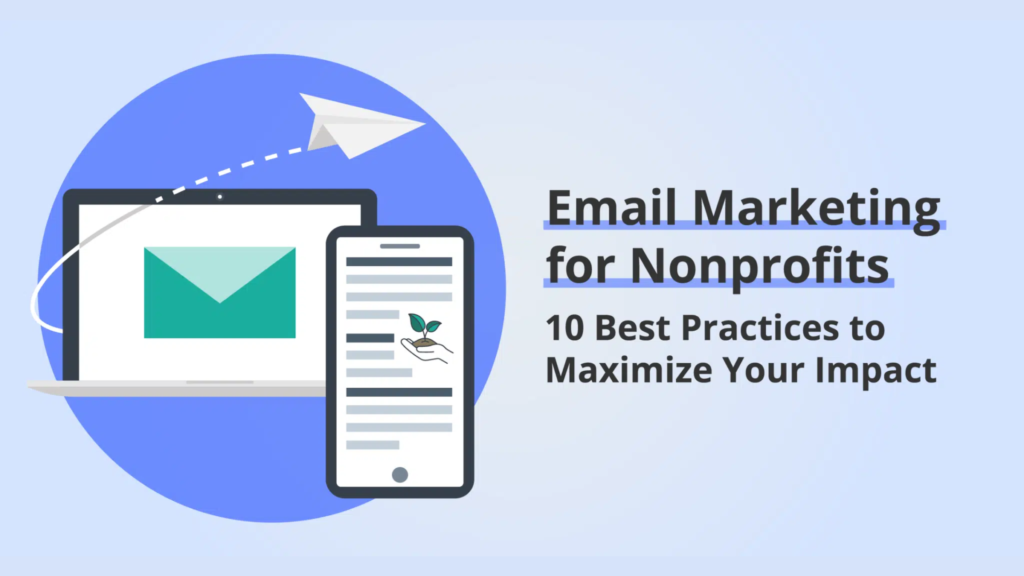
What Are the Best Email Marketing Platforms for Nonprofits in 2026?
Choosing the best email marketing platforms for nonprofits means finding tools that support donation campaigns, storytelling newsletters, donor engagement, and relationship building, all while staying budget-friendly and easy to use. In 2026, effective nonprofit email marketing goes beyond simple newsletters; it combines automation, personalization, and analytics to strengthen donor loyalty and increase contributions.
Key Features Nonprofits Should Look For
- Donation Campaign Support: Tools that integrate with donation platforms and support fundraising workflows.
- Engagement-Focused Newsletters: Visually appealing templates, segmentation by donor type, and storytelling capabilities.
- Automation Sequences: Welcome series for new supporters, stewardship emails, event reminders, and re-engagement campaigns.
- Audience Segmentation: Group donors by giving level, engagement history, location, or interests to tailor messaging.
- Analytics & Reporting: Track open rates, click-throughs, donation conversions, and campaign ROI to refine strategy.
Top Platforms for Nonprofits
- Mailchimp: User-friendly email builder, basic automation, and nonprofit-friendly pricing make it a top choice for small to mid-size organizations.
- HubSpot (Free Tier & Paid Plans): Combines CRM with email marketing, enabling nonprofits to manage donor relationships and segment audiences effectively.
- Litmus (for Testing & Optimization): While primarily an email testing tool, Litmus helps ensure nonprofit campaigns render correctly across devices and inboxes.
Nonprofit organizations should prioritize platforms that enable donor-centric communication, simplify fundraising outreach, and provide insights into supporter behavior. By leveraging these tools with targeted campaigns, nonprofits can build stronger community ties, increase recurring donations, and drive mission-driven success in 2026.
What Are B2B Email Marketing Services and How Do They Drive Conversions in 2026?
B2B email marketing services are specialized platforms and strategies designed to help business-to-business organizations generate qualified leads, nurture relationships, and convert prospects into customers. Unlike traditional B2C email campaigns, B2B campaigns focus on longer decision cycles, personalized touchpoints, and value-driven communication that aligns with each stage of the buyer journey.
In 2026, effective B2B email marketing goes beyond generic newsletters. Marketers leverage behavior-driven segmentation, account-based targeting, and automated nurturing sequences to deliver relevant messages that resonate with decision-makers in specific industries. Behavior data such as website visits, content downloads, past interactions, and webinar attendance are used to dynamically segment lists and trigger highly personalized content.
Key Elements of B2B Email Marketing Services:
- Lead Nurturing Workflows: Automated sequences guide prospects through awareness, evaluation, and purchase stages.
- Behavior-Driven Segmentation: Segment audiences based on engagement signals, firmographics, and intent data for precise targeting.
- Personalization & Dynamic Content: Tailored messaging increases relevance and boosts engagement metrics.
- CRM Integration: Seamless connectivity with CRM systems (e.g., Salesforce, HubSpot) ensures consistent data flow and attribution.
- Analytics & Lead Scoring: Performance tracking and predictive scoring help prioritize high-value prospects.
By focusing on behavior-driven segmentation and automated nurturing, B2B email marketing services enable businesses to build trust, shorten sales cycles, and drive measurable conversions in 2026’s competitive landscape.
What Are Email Marketing Agency Services and How Do They Help Businesses in 2026?
Email marketing agency services are outsourced solutions that help businesses plan, execute, and optimize email campaigns with professional expertise. Instead of handling email strategy in-house, companies partner with agencies that specialize in campaign design, automation workflows, segmentation, deliverability, and performance analytics. These services are especially valuable for businesses that want expert support without expanding internal teams.
In 2026, top email marketing agencies will bring advanced capabilities such as AI-driven campaign optimization, predictive personalization, lifecycle automation, and real-time performance insights. Agencies can craft tailored strategies that align with your brand goals—whether it’s lead generation, customer retention, ecommerce sales, or nonprofit engagement.
Core Services Offered by Email Marketing Agencies:
- Strategic Planning: Custom email strategies based on audience research, competitive analysis, and business objectives.
- Campaign Design & Content: Professional email templates, compelling copywriting, and creative visuals.
- Automation & Workflow Setup: Automated sequences for onboarding, nurturing, re-engagement, and post-purchase journeys.
- Segmentation & Personalization: Behavior and intent-based segmentation that drives relevance and engagement.
- Deliverability & Authentication: Technical setup including SPF, DKIM, DMARC, and inbox placement monitoring.
- Analytics & Reporting: Insight-driven analytics that monitor KPIs, identify optimization opportunities, and maximize ROI.
- AI-Driven Campaign Enhancements: Use of AI for predictive personalization, subject line optimization, send-time optimization, and content recommendations.
By leveraging email marketing agency services, businesses in 2026 can achieve more sophisticated, data-driven campaigns, accelerate growth, and maintain a competitive edge without the burden of managing complex email operations internally.
What Is a White Label Email Marketing Service and Why It Matters in 2026?
A white label email marketing service allows agencies, consultants, and resellers to offer professional email marketing solutions under their own brand without building the technology from scratch. In this setup, the core email platform, automation capabilities, analytics, and infrastructure are provided by a partner vendor, while the agency rebrands the interface, campaigns, and client experience as their own.
In 2026, white label services are especially valuable for digital marketing agencies and service providers who want to scale offerings, increase revenue, and deliver advanced email solutions without incurring the cost and complexity of developing proprietary software.
Key Benefits of White Label Email Marketing Services:
- Brand-Custom Solutions: Present robust email marketing tools and dashboards under your own brand identity.
- Scalable Service Offerings: Quickly onboard new clients without IT overhead or platform development.
- Automated Campaign Infrastructure: Leverage automation, segmentation, deliverability, and analytics built into the platform.
- Faster Time-to-Market: Deploy email marketing services immediately with minimal setup.
- Enhanced Client Retention: Deliver ongoing value through tailored campaigns that feel native to your agency’s services.
Agencies using white label email marketing services can focus on strategy, creative execution, and client growth, while the underlying technology handles performance, optimization, and platform reliability. This combination drives scalable, professional solutions that meet the evolving needs of businesses in 2026.
What Is Email Marketing for Financial Services and How Does It Drive Engagement in 2026?
Email marketing for financial services refers to the strategic use of email campaigns by banks, fintech companies, investment advisors, insurers, and other financial institutions to engage audiences, nurture relationships, and drive conversions, all while maintaining the highest standards of security and compliance. In 2026, this sector demands precise targeting, data protection, and relevance due to strict regulations and the high-value nature of customer relationships.
Financial brands use email marketing to deliver secure, compliant campaigns that inform clients about account updates, product offers, educational content, and personalized financial insights. These emails must follow privacy regulations like GDPR, CCPA, and industry-specific standards such as PCI DSS and data encryption requirements to ensure customer trust and legal compliance.
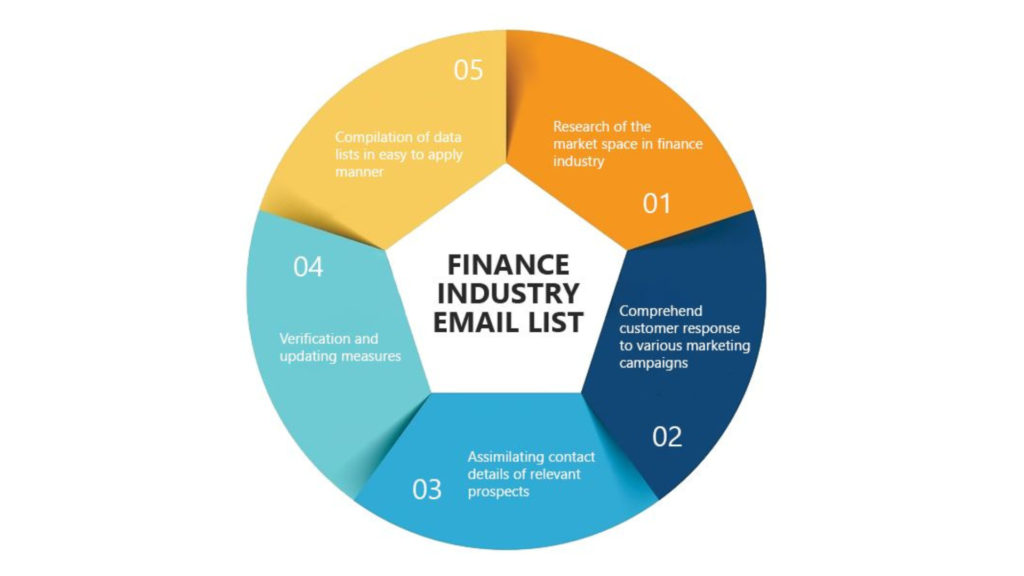
Key Strategies for Financial Email Marketing:
- Security-First Messaging: Use encrypted links, authenticated senders, and verified domains to protect sensitive information.
- Targeted Engagement: Segment audiences by risk profile, financial goals, transaction history, and lifecycle stage for tailored messages.
- Lifecycle Automations: Trigger welcome sequences, renewal reminders, portfolio updates, and educational series automatically.
- Personalized Content: Deliver AI-driven financial tips, product suggestions, and investment insights based on user behavior and profile data.
- Compliance & Transparency: Provide clear opt-ins, consent management, and privacy disclosures to align with regulatory expectations.
When executed correctly, email marketing in financial services builds trust, strengthens client loyalty, and drives measurable engagement while safeguarding data and maintaining regulatory compliance in an increasingly complex digital landscape.
What Are Email Marketing Design Services and Why Do They Matter in 2026?
Email marketing design services focus on creating visually compelling, responsive, and user-friendly email templates that enhance engagement and support campaign goals. In 2026, where mobile usage dominates and inbox competition is fierce, effective design is no longer optional; it’s essential for maximizing opens, clicks, and conversions.
Key Features of Modern Email Marketing Design Services:
- Mobile-First Layouts: With most users checking email on smartphones and tablets, designs must adapt seamlessly to all screen sizes for readability and interaction.
- Accessible Templates: Designs should follow accessibility best practices, such as legible fonts, sufficient contrast, alt text for images, and intuitive structure, so all subscribers can engage effectively.
- Interactive Elements: Incorporating interactive features like buttons, carousels, GIFs, and embedded CTAs encourages higher interaction and reduces friction.
- Lightweight Code: Clean, efficient HTML/CSS ensures faster load times, better inbox rendering, and improved deliverability across email clients.
- Brand Consistency: On-brand color schemes, logos, and style elements strengthen identity and trust with subscribers.
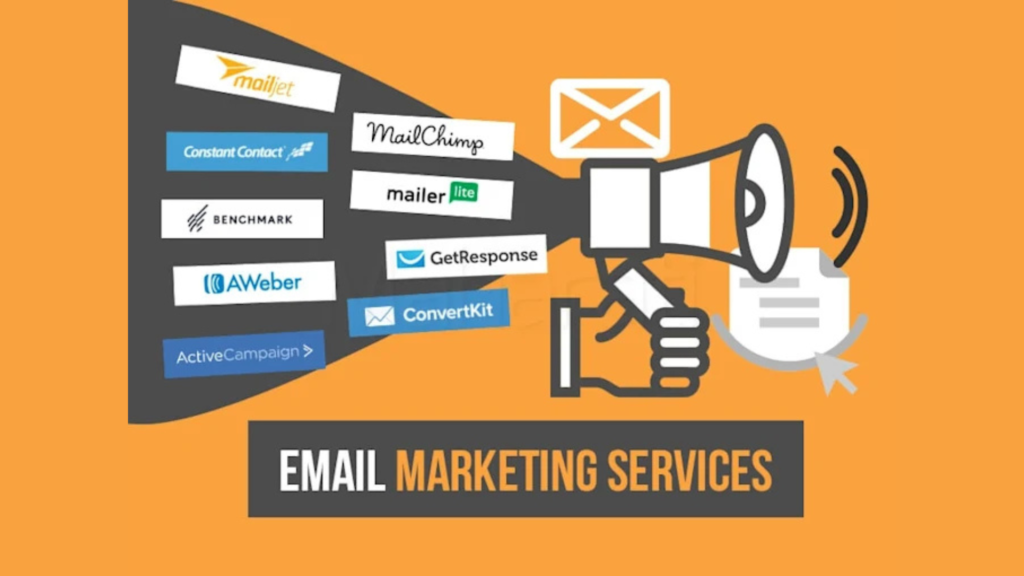
Professional email design services not only make campaigns visually appealing but also support performance goals by improving engagement metrics and reducing deliverability issues caused by heavy, poorly optimized templates. In a landscape increasingly influenced by intelligent inboxes and user experience expectations, strong design is a key differentiator for successful email marketing in 2026 and beyond.
Email Marketing for Service-Based Businesses: Boost Engagement and Bookings in 2026
Email marketing for service businesses is a strategic tool to maintain client relationships, drive repeat appointments, and increase overall bookings. By leveraging personalized, behavior-driven campaigns, service providers can ensure their messages reach the right audience at the right time, improving engagement and customer satisfaction.
Key Strategies for Service Businesses:
- Appointment Reminders: Automated emails remind clients of upcoming appointments, reducing no-shows and enhancing customer experience.
- Service Updates: Notify clients of new services, seasonal offerings, or policy changes to keep them informed and engaged.
- Promotions and Offers: Personalized discounts, loyalty rewards, or package deals encourage repeat business and upselling opportunities.
- Behavior-Driven Personalization: Segment audiences based on past bookings, engagement, and preferences to deliver highly relevant content.
- Automated Follow-Ups: Post-service emails requesting reviews, feedback, or recommending additional services improve retention and satisfaction.
By combining automation, personalization, and timely communication, service-based businesses can maximize client engagement, boost conversions, and establish long-term loyalty through effective email marketing campaigns in 2026.
B2B Email Marketing Service Agencies: Driving Leads and ROI in 2026
B2B email marketing service agencies specialize in creating targeted campaigns that generate qualified leads, nurture prospects, and maximize ROI for businesses. These agencies focus on account-based marketing (ABM), ensuring each email sequence is tailored to the needs, behavior, and stage of the target accounts, resulting in higher engagement and conversions.
Core Services Offered by B2B Email Marketing Agencies:
- Lead Nurturing Campaigns: Develop automated sequences to guide prospects through the buyer journey, from awareness to conversion.
- Account-Based Campaigns: Personalize messages for specific high-value accounts to increase relevance and engagement.
- Lifecycle Campaign Management: Handle all stages of email communication, including onboarding, upselling, retention, and re-engagement.
- ROI Tracking & Analytics: Monitor key performance indicators (KPIs), measure revenue impact, and optimize campaigns for maximum effectiveness.
- Segmentation & Personalization: Use behavioral and demographic data to deliver tailored content that resonates with each recipient.
FAQS
1 What is Email Marketing in 2026 and how is it different from traditional email marketing?
Email Marketing in 2026 is an AI-powered, automation-driven strategy that focuses on personalization, behavioral segmentation, and privacy-first data practices. Unlike traditional bulk email campaigns, modern email marketing uses predictive analytics, intelligent inbox optimization, and lifecycle automation to deliver the right message at the right time. It prioritizes engagement quality, deliverability, and compliance with regulations like GDPR and CCPA.
2 How does AI improve email marketing performance in 2026?
AI improves email marketing by automating personalization, optimizing send times, generating subject lines, and predicting subscriber behavior. It analyzes engagement data such as clicks, browsing history, and purchases to create hyper-targeted campaigns. AI also enhances segmentation, improves deliverability, and increases open rates, click-through rates (CTR), and overall ROI.
3 What are the most important email marketing KPIs in 2026?
In 2026, the most important email marketing KPIs include:
- Click-through rate (CTR)
- Conversion rate
- Revenue per email
- Engagement depth (time spent reading)
- List health metrics (bounce rate, unsubscribe rate)
Open rates are becoming less reliable due to privacy updates, so marketers now focus on engagement-based and revenue-driven metrics.
4 How can businesses improve email deliverability in 2026?
To improve email deliverability in 2026, businesses should:
- Properly configure SPF, DKIM, and DMARC authentication
- Use double opt-in for subscriber consent
- Maintain clean email lists by removing inactive users
- Avoid spam-trigger words and misleading subject lines
- Focus on engagement-driven segmentation
Strong authentication and high engagement signals help emails reach the primary inbox instead of spam or promotions tabs.
5 Why is zero-party data important for email marketing success in 2026?
Zero-party data is information that subscribers intentionally share, such as preferences and interests. In 2026, with stricter privacy regulations and the decline of third-party cookies, zero-party data ensures accurate personalization while maintaining compliance. It improves segmentation, strengthens trust, and leads to higher engagement and conversion rates.
By leveraging these strategies, B2B email marketing agencies help businesses scale their outreach, improve pipeline efficiency, and achieve measurable marketing results in 2026.
Final Thought
Email marketing in 2026 is no longer just about sending messages, it’s about creating meaningful, personalized, and ethical connections with your audience. With AI-driven automation, intelligent inbox strategies, privacy-proof practices, and data-driven segmentation, businesses can deliver high-impact campaigns that build trust, drive engagement, and generate measurable ROI. The brands that embrace these trends and innovate thoughtfully will not only survive the evolving digital landscape but thrive as leaders in their industries.
Remember: Email is more than a marketing channel, it’s a relationship-building tool. Invest in strategy, personalization, and trust, and your subscribers will reward you with loyalty and action.